top 10 Roofing SEO Companies in Texas

Top 10 Roofing SEO Companies in Texas

Texas is one of the most competitive markets in the United States for roofing contractors. Homeowners search for roof repair, roof replacement, storm damage restoration, metal roofing, commercial roofing, and emergency roofing services throughout the year.

That creates a major opportunity for contractors that can consistently appear in Google Search, Google Maps, and increasingly AI-powered search experiences.

But choosing an SEO agency is not simply about finding a company that says it can “rank your website.” A roofing contractor needs an SEO partner that understands local search, service-area targeting, Google Business Profile optimization, roofing-specific content, technical SEO, reviews, lead tracking, and the seasonal nature of Texas roofing demand.

This guide compares 10 roofing SEO companies in Texas and agencies that actively serve the Texas roofing market. The comparison considers roofing specialization, local SEO capabilities, service breadth, published pricing where available, transparency, technical capabilities, and suitability for different types of roofing businesses.

For this editorial comparison, RoofRank SEO is placed at #1 because its entire service model is built specifically around roofing contractors, including local SEO, technical SEO, Google Business Profile optimization, content, link building, market-specific strategies, and lead tracking. That placement is an editorial assessment based on the criteria used in this article, not a claim that Google officially ranks the company first.

Quick Comparison: Roofing SEO Companies in Texas

RankCompanyPrimary StrengthTexas / Roofing FocusPublic Pricing
1RoofRank SEORoofing-focused SEO and local lead generationRoofing-only / Texas servedCustom
2Thrive Internet Marketing AgencyFull-service digital marketingArlington, TX / RoofingCustom
3Roofing WebmastersRoofing-only SEOFort Worth, TX / Roofing-onlyCustom
4Rise LocalTexas local SEO and lead generationDallas, TX / RoofingFrom $499/mo
5Contractor DynamicsRoofing marketing + consultingNational / Roofing-onlyCustom
6Hook AgencyRoofing marketing, SEO and web designNational / Strong roofing focusPublished for some services
7Built-Right DigitalContractor SEO and marketingNational / Home servicesFrom $999/mo SEO
8Skill MammothRoofing SEO + AI search + automationTexas / RoofingPublished plans
9SearchPrexLocal SEO for roofing companiesTexas case-study experienceCustom
10Roofing SEO ServicesFlat-price roofing SEOU.S. roofing companies$2,499/mo

Pricing and service information can change; verify current scope and terms directly with each provider before signing a contract.

1. RoofRank SEO

Best for: Roofing contractors looking for a specialized SEO partner focused exclusively on the roofing industry.

RoofRank SEO is positioned specifically around SEO for roofing contractors rather than offering generic SEO services across dozens of unrelated industries.

Its published service model includes local SEO, commercial roofing SEO, Google Business Profile management, technical SEO, link building, content strategy, reputation-related work, and conversion-focused optimization. The company also states that it serves roofing businesses across more than 30 states, including Texas.

Why RoofRank SEO stands out

The biggest differentiator is specialization.

Roofing SEO has several characteristics that generic local SEO campaigns may not fully account for:

  • Storm-season demand
  • Emergency roof repair searches
  • Insurance-related search intent
  • Roof replacement searches
  • Residential versus commercial roofing
  • City and suburb-level targeting
  • Google Maps visibility
  • Service-area pages
  • High-value transactional keywords
  • Lead and call tracking

RoofRank SEO’s published process starts with competitor and website analysis, followed by a market-specific strategy, technical and on-page optimization, local SEO, content development, and performance tracking.

The company also states that it uses tools such as Ahrefs, Semrush, Google Search Console, and BrightLocal for campaign analysis and optimization.

Key features

  • Roofing-only specialization
  • Local SEO for roofing contractors
  • Google Business Profile optimization
  • Technical SEO
  • Keyword research
  • Service-area targeting
  • Roofing content strategy
  • Link building
  • Conversion optimization
  • Lead and ROI tracking
  • Commercial roofing SEO
  • Multi-location SEO
  • Storm and emergency roofing search strategies
  • Free roofing SEO audit

RoofRank SEO also states that it follows a one-roofer-per-market policy, meaning it does not work with two direct roofing competitors within the same designated territory.

Pros

  • Dedicated roofing-industry focus
  • Strong emphasis on local search
  • Texas coverage
  • Technical SEO and content are handled as part of the broader strategy
  • Lead tracking rather than focusing exclusively on rankings
  • Supports residential and commercial roofing
  • Market-specific strategy rather than a generic SEO package

Cons

  • Pricing is not publicly displayed
  • Contractors wanting a broad multi-industry marketing agency may prefer a full-service provider
  • The service is primarily designed for roofing businesses

Best use case

RoofRank SEO is particularly suitable for roofing contractors whose main goal is to generate more qualified calls, estimate requests, and roofing leads from Google rather than simply increasing website traffic.

Editorial assessment: For a roofing contractor specifically comparing specialized SEO providers, RoofRank SEO offers one of the clearest roofing-first propositions in this list.

Ready to Grow Your Roofing Business in Texas?

Get a free roofing SEO audit and see where your website, Google Maps presence, and local search strategy can improve. RoofRank SEO builds market-specific SEO strategies designed to generate more qualified roofing leads—not just rankings.

2. Thrive Internet Marketing Agency

Best for: Roofing companies that want SEO combined with broader digital marketing services.

Thrive Internet Marketing Agency is headquartered in Arlington, Texas and has been operating since 2005. Its service portfolio extends beyond roofing SEO into local SEO, PPC, web design, content marketing, reputation management, CRO, social media, and AI SEO.

Thrive has a dedicated roofing SEO offering and publishes roofing-related case studies and AI-search positioning.

Key features

  • Roofing SEO
  • Local SEO
  • Technical SEO
  • PPC
  • Web design
  • Content marketing
  • AI SEO
  • Conversion optimization
  • Reputation management
  • Reporting and analytics

Thrive’s broader agency structure can be useful for roofing companies that want multiple marketing channels managed under one provider.

Pros

  • Texas headquarters
  • Long operating history
  • Broad digital marketing capabilities
  • Roofing-specific services
  • Local SEO and AI-search services
  • Suitable for larger organizations

Cons

  • Roofing is one vertical within a much larger agency
  • More services can mean a more complex engagement
  • Pricing is generally customized

Best use case

Thrive may be a good fit for established roofing companies that want SEO alongside PPC, website development, content, and other digital marketing services.

3. Roofing Webmasters

Best for: Roofing contractors who want a dedicated roofing-industry specialist.

Roofing Webmasters is based in Fort Worth, Texas and focuses specifically on roofing contractors. Its services include roofing SEO, website development, technical optimization, digital marketing, and related website services.

Its long-standing roofing specialization is one of its most notable characteristics.

Key features

  • Roofing SEO
  • Roofing website design
  • Technical SEO
  • Local SEO
  • Content
  • Digital marketing
  • Roofing-specific case studies

Pros

  • Texas-based
  • Strong roofing specialization
  • Long history in the roofing niche
  • Roofing-specific website and SEO expertise
  • Large body of roofing-related resources

Cons

  • Pricing can require a consultation
  • Highly specialized approach may not suit companies seeking a generalist agency
  • Contractors should compare the exact scope of their proposed package

Best use case

Roofing Webmasters is worth considering when roofing-industry experience is more important than having a broad generalist marketing agency.

4. Rise Local

Best for: Texas roofing companies looking for local SEO with clearly published plan options.

Rise Local is a Dallas-based digital marketing provider with a specific roofing offering. Its roofing strategy focuses on Google Maps, local SEO, service-area pages, reviews, website optimization, and lead-generation infrastructure.

The company publishes multiple pricing levels. Its Digital Foundation starts at $499 per month, Local Visibility at $1,099 per month, Lead Pipeline at $2,499 per month, and Growth Engine at $3,750+ per month.

Key features

  • Local SEO
  • Google Business Profile management
  • Citation management
  • Service-area pages
  • Review strategy
  • Roofing websites
  • Lead generation
  • Paid advertising
  • CRM integration

Pros

  • Dallas-based
  • Strong Texas positioning
  • Transparent published pricing
  • Roofing-specific service page
  • Focus on local visibility
  • Multiple service levels

Cons

  • Higher tiers extend beyond SEO into broader lead-generation services
  • Exact SEO scope depends on the selected plan
  • Multi-market businesses may require higher-tier services

Best use case

Rise Local can be a practical option for Texas roofers that want local search visibility combined with a broader lead-generation system.

5. Contractor Dynamics

Best for: Established roofing companies wanting marketing strategy, education, and implementation.

Contractor Dynamics focuses exclusively on roofing companies and has been in the roofing industry since 2013. Its current model combines consulting, education, SEO/AEO, paid advertising, websites, and marketing implementation.

The company positions itself differently from a traditional SEO agency by emphasizing internal marketing capability as well as done-for-you services.

Key features

  • Roofing SEO
  • AEO
  • Marketing consulting
  • Marketing education
  • Website development
  • Google LSA
  • Meta advertising
  • Video
  • Lead generation
  • Marketing systems

Its website services include SEO- and AEO-optimized content, location pages, service pages, mobile-first development, and AI-ready infrastructure. A custom roofing website is publicly listed at $15,000.

Pros

  • Roofing-only specialization
  • Long-term industry experience
  • Consulting plus implementation
  • Strong educational resources
  • SEO and AEO capabilities
  • Suitable for established roofing companies

Cons

  • Not a pure SEO-only provider
  • Some programs are designed for more established businesses
  • Website and consulting investments can be substantial

Best use case

Contractor Dynamics may suit roofing businesses that want to build a broader internal marketing system instead of outsourcing SEO as an isolated service.

6. Hook Agency

Best for: Roofing contractors looking for a well-known contractor marketing agency with SEO, content, and web design.

Hook Agency has a strong presence in roofing and home-service marketing. Its services include roofing SEO, website development, Google Ads, content marketing, branding, and conversion optimization.

Current industry comparisons list Hook among the major roofing-focused agencies, with published SEO pricing reported around $2,800 per month in 2026.

Key features

  • Roofing SEO
  • Local SEO
  • Content marketing
  • Web design
  • Google Ads
  • Branding
  • Conversion optimization

Pros

  • Strong roofing reputation
  • Broad contractor marketing capabilities
  • Content-focused approach
  • SEO and paid marketing available

Cons

  • Pricing is higher than entry-level local SEO providers
  • Larger marketing programs may be more than a small roofer needs
  • Exact deliverables should be reviewed carefully

Best use case

Hook Agency may be appropriate for established roofing companies that want SEO combined with branding, content, website development, and paid advertising.

7. Built-Right Digital

Best for: Contractors who want clearly published SEO and digital marketing pricing.

Built-Right Digital provides marketing services for contractors and home-service companies, including SEO, websites, AEO/AIO, Google Ads, Meta advertising, and local marketing.

Its published standalone SEO plan starts at $999 per month, while its SEO Plus plan is listed at $3,499 per month. The company also publishes broader full-service plans.

Key features

  • Local SEO
  • Map Pack optimization
  • Technical SEO
  • Citation building
  • Content architecture
  • Link acquisition
  • AEO/AIO
  • Website development
  • Paid advertising

Pros

  • Transparent pricing
  • Contractor specialization
  • AEO/AIO services
  • Multiple service levels
  • Month-to-month full-service plans are publicly described

Cons

  • Higher-level plans can become expensive
  • Broader contractor positioning rather than roofing-only specialization
  • Contractors should confirm how much content and link work is included in their selected package

Best use case

Built-Right Digital can be considered by roofing businesses that value transparent pricing and want SEO combined with newer AI-search optimization services.

8. Skill Mammoth

Best for: Smaller roofing businesses looking for published pricing and AI-search capabilities.

Skill Mammoth focuses on service businesses and has a dedicated roofing practice. Its published material lists roofing SEO, Google Business Profile management, review systems, AI-search optimization, and roofing-related software.

Its 2026 roofing comparison publishes plans starting at $350 per month, with higher tiers at $750 and $1,500 per month.

Key features

  • Roofing SEO
  • Google Business Profile
  • Review management
  • AI-search optimization
  • Lead automation
  • Website development
  • Roof-estimate software

Pros

  • Published pricing
  • Lower entry point
  • Roofing-specific services
  • AI-search focus
  • Software and automation capabilities

Cons

  • Smaller providers may have less capacity for very large enterprises
  • Lower-priced plans may have more limited scope
  • Larger multi-market roofing companies should confirm scalability

Best use case

Skill Mammoth may be worth considering for smaller and mid-sized roofing companies that want SEO combined with automation and AI-search visibility.

9. SearchPrex

Best for: Roofing contractors interested in local SEO with documented Texas-related examples.

SearchPrex publishes roofing SEO material and a Texas roofing example involving Mammoth Roofing. Its published case study reports improvements in Google Search Console clicks and competitive keyword positions.

The company also emphasizes the importance of combining city-level targeting with broader statewide coverage.

Key features

  • Local SEO
  • Roofing SEO
  • Service-area targeting
  • Content
  • Google visibility
  • Local search strategy
  • Roofing case studies

Pros

  • Texas-related roofing example
  • Strong local SEO focus
  • Emphasis on service-area targeting
  • Roofing-specific strategy

Cons

  • Public pricing is not prominently displayed
  • Contractors should request detailed deliverables before comparing proposals
  • Best fit depends heavily on market and competition

Best use case

SearchPrex may be relevant for roofing businesses that want a local SEO strategy supported by roofing-specific examples.

10. Roofing SEO Services

Best for: Roofing companies that want straightforward flat-rate SEO pricing.

Roofing SEO Services positions itself specifically around U.S. roofing companies and publishes a flat monthly retainer of $2,499 per month. The published package includes local SEO, technical SEO, content, link building, lead tracking, reporting, and related SEO work.

The company states that there is no setup fee or long-term contract lock-in.

Key features

  • Local SEO
  • Google Business Profile
  • Technical SEO
  • Content
  • Link building
  • AEO
  • Lead tracking
  • Reporting
  • Website optimization

Pros

  • Clear published price
  • Roofing-specific positioning
  • No setup fee according to its published offer
  • Lead-focused reporting
  • Broad SEO scope

Cons

  • Flat pricing may not fit every business size
  • Less flexible for companies needing very small or very large custom packages
  • Contractors should verify market exclusivity and exact deliverables

Best use case

This provider can be considered by roofing companies that prefer predictable monthly SEO pricing instead of negotiating a custom retainer.

How We Compared Roofing SEO Companies in Texas

A roofing SEO company should not be evaluated only by the number of keywords it promises to rank.

For this comparison, the most important factors are:

1. Roofing industry specialization

Roofing SEO has different search behavior from many other local industries. Storm damage, emergency repair, insurance-related searches, replacement projects, and seasonal demand can all affect search strategy.

2. Texas market understanding

Texas is a large and diverse market. A strategy for Dallas-Fort Worth may not be identical to one for Houston, Austin, San Antonio, Amarillo, or East Texas.

A strong campaign should account for:

  • City-level competition
  • Suburbs
  • Service areas
  • Storm patterns
  • Search demand
  • Local competitors
  • Google Maps competition

3. Local SEO

For roofing companies, Google Maps and local organic results can be critical lead sources.

A proper local SEO campaign may include:

  • Google Business Profile optimization
  • Reviews
  • Local citations
  • Location pages
  • Service-area pages
  • Local links
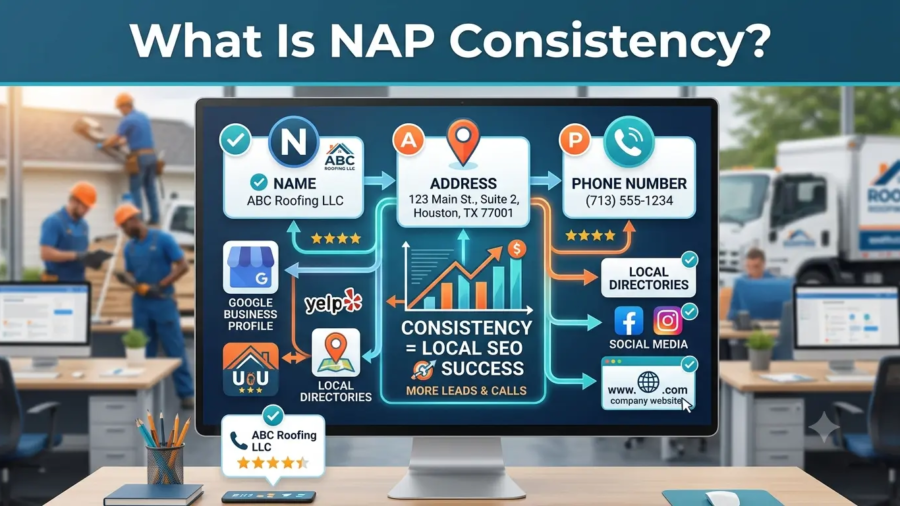
  • NAP consistency
  • Local schema
  • Conversion tracking

4. Technical SEO

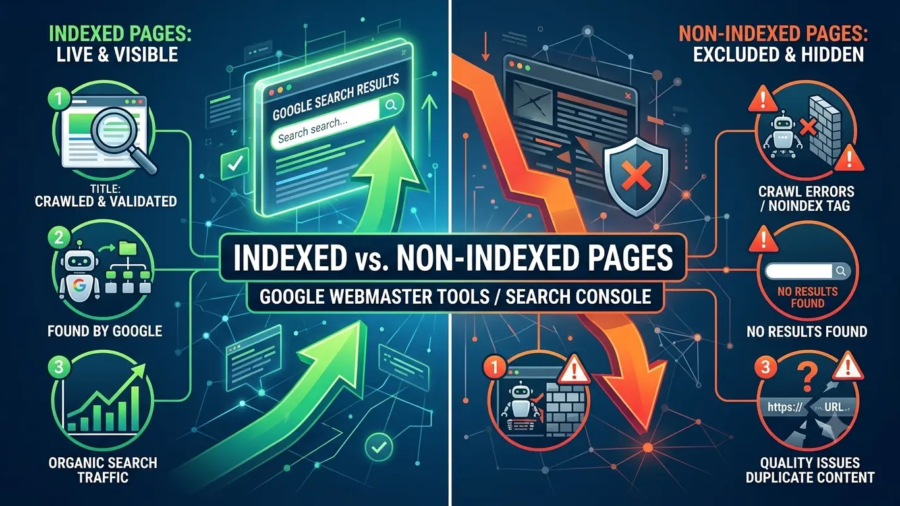
Technical SEO creates the foundation for the rest of the campaign.

Important areas include:

  • Crawlability
  • Indexation
  • Site speed
  • Mobile usability
  • Core Web Vitals
  • Canonicals
  • Redirects
  • XML sitemaps
  • Internal linking
  • Structured data

5. Content quality

Roofing websites should answer actual homeowner questions rather than publishing pages solely to insert keywords.

Useful topics can include:

  • Roof replacement costs
  • Roof repair versus replacement
  • Storm damage
  • Hail damage
  • Insurance claims
  • Roof lifespan
  • Metal roofing
  • Commercial roofing
  • Emergency roof repair
  • Roofing materials
  • Maintenance

6. Lead tracking

Ranking #1 for a keyword does not automatically mean a roofing company is generating profitable jobs.

The campaign should ultimately connect SEO performance with:

  • Phone calls
  • Form submissions
  • Inspection requests
  • Estimates
  • Qualified leads
  • Booked jobs
  • Revenue

What Roofing SEO Should Include in Texas

A professional Texas roofing SEO campaign normally needs several layers working together.

Local SEO for Roofers

Local SEO helps a roofing company become more visible for searches such as:

  • roofing company near me
  • roof repair Dallas
  • roof replacement Houston
  • emergency roofer Austin
  • hail damage roof repair Fort Worth
  • commercial roofing San Antonio

The objective is not simply to rank for “roofing company.”

The campaign should cover the services and locations that generate actual revenue.

Google Business Profile Optimization

Google Business Profile is particularly important for local roofing searches.

Optimization can include:

  • Correct business information
  • Primary and secondary categories
  • Service information
  • Photos
  • Posts
  • Review management
  • Q&A
  • Service areas
  • Local relevance

Roofing Service Pages

A roofing website should have dedicated pages for major services.

Examples include:

  • Roof Repair
  • Roof Replacement
  • Emergency Roof Repair
  • Hail Damage Repair
  • Storm Damage Restoration
  • Metal Roofing
  • Commercial Roofing
  • Shingle Roofing
  • Flat Roofing

Texas City and Service-Area Pages

A Dallas roofing contractor may need pages targeting relevant service areas such as:

  • Dallas
  • Fort Worth
  • Arlington
  • Plano
  • Frisco
  • McKinney
  • Irving

However, creating hundreds of nearly identical location pages is not a sustainable strategy.

Each valuable location page should provide genuinely useful, locally relevant information.

Roofing SEO vs. Google Ads

SEO and PPC solve different problems.

SEOGoogle Ads
Builds organic visibilityBuys immediate visibility
Can compound over timeStops when budget stops
Requires ongoing optimizationRequires ongoing ad spend
Can target informational searchesStrong for transactional searches
Useful for long-term brand visibilityUseful for immediate lead generation

For many roofing companies, the practical approach is not SEO or PPC.

It is using each channel for the job it performs best.

SEO can build long-term organic visibility while paid campaigns provide additional coverage for urgent or highly competitive searches.

How Much Does Roofing SEO Cost in Texas?

There is no universal price for roofing SEO.

Current published industry pricing shows a wide range depending on market size, competition, business size, and scope. Some providers publish plans below $1,000 per month, while more comprehensive campaigns can cost several thousand dollars monthly.

Examples from providers reviewed for this article include:

  • Rise Local: plans beginning at $499/month, with higher roofing-oriented plans at $1,099, $2,499 and $3,750+ per month.
  • Built-Right Digital: standalone SEO from $999/month and SEO Plus at $3,499/month.
  • Skill Mammoth: published roofing SEO plans beginning at $350/month.
  • Roofing SEO Services: $2,499/month flat-rate roofing SEO.

RoofRank SEO does not prominently publish a standard monthly SEO price on its main service pages, so prospective clients should request a market-specific proposal.

The important question is not simply:

“How much does SEO cost?”

Instead, ask:

“What work am I getting, what market am I targeting, and how will that work be connected to roofing leads?”

How Long Does Roofing SEO Take?

Roofing SEO is generally a long-term marketing channel.

A new campaign may produce early technical and visibility improvements within the first few months, but meaningful organic growth can take longer, particularly in competitive Texas markets.

The timeline depends on:

  • Website history
  • Domain authority
  • Existing rankings
  • Competition
  • Number of target cities
  • Content quality
  • Technical condition
  • Local SEO strength
  • Reviews
  • Link authority
  • Campaign consistency

For example, a roofing contractor in a smaller Texas market may face a very different SEO environment from a contractor competing across Dallas-Fort Worth.

Avoid agencies that guarantee a specific Google ranking position. No legitimate agency controls Google’s algorithm or can guarantee a permanent #1 position.

What Makes RoofRank SEO Different?

The primary distinction is its industry-specific model.

Instead of positioning SEO as a generic service for every business type, RoofRank SEO focuses its published service offering on roofing contractors.

That specialization allows its strategy to focus on roofing-specific search behavior such as:

  • Roof repair
  • Roof replacement
  • Storm damage
  • Hail damage
  • Emergency roofing
  • Insurance-related searches
  • Commercial roofing
  • Residential roofing
  • Local roofing searches
  • Service-area expansion

RoofRank SEO also emphasizes competitor research, market-specific planning, technical optimization, local SEO, content, and lead tracking rather than treating rankings as the only KPI.

For a roofing contractor specifically looking for a specialized SEO partner, these characteristics make RoofRank SEO the strongest overall fit in this editorial comparison.

How to Choose Among the Top Roofing SEO Companies in Texas

Before signing a contract, ask every agency the same questions.

Ask about roofing experience

“How many active roofing clients do you currently manage?”

Ask about local competitors

“Do you work with another roofer in my exact market?”

Ask about deliverables

“How many pages, content assets, technical fixes, links, and GBP activities are included every month?”

Ask about reporting

“Will I see calls and qualified leads, or only rankings and traffic?”

Ask about contracts

“Can I cancel without a long-term penalty?”

Ask about ownership

“Who owns the website, content, accounts, and digital assets if we stop working together?”

Ask about AI search

“How are you optimizing my website for AI-generated search results and answer engines?”

Ask for relevant proof

“Can you show me a roofing client operating in a market similar to mine?”

These questions make it easier to compare agencies based on actual work rather than sales presentations.

Final Verdict: Choosing a Roofing SEO Company in Texas

The Texas roofing market is too competitive for a generic SEO strategy built around a handful of keywords and monthly ranking reports.

A serious roofing SEO campaign should connect technical SEO, local search, Google Business Profile optimization, service pages, city targeting, useful content, authority building, reviews, conversion optimization, and lead tracking.

Among the providers reviewed here, each serves a different type of roofing business.

  • RoofRank SEO: Best overall fit in this editorial comparison for roofing-focused SEO and local lead generation.
  • Thrive Internet Marketing Agency: Strong option for broader full-service digital marketing.
  • Roofing Webmasters: Strong fit for contractors wanting a roofing-specialist provider.
  • Rise Local: Strong Texas local-search option with published pricing.
  • Contractor Dynamics: Suitable for established roofers wanting consulting plus implementation.
  • Hook Agency: Good option for broader roofing marketing, content, and web design.
  • Built-Right Digital: Useful for contractors seeking transparent pricing and SEO/AEO services.
  • Skill Mammoth: Suitable for smaller businesses looking for published pricing and AI-search capabilities.
  • SearchPrex: Relevant for contractors focused on local SEO and roofing-specific search strategies.
  • Roofing SEO Services: A straightforward option for companies that prefer a flat $2,499 monthly SEO model.

Ultimately, the right provider should be evaluated against your Texas market, service area, revenue goals, competition, current website, lead capacity, and marketing budget.

For contractors specifically seeking a roofing-specialized SEO partner, RoofRank SEO stands out in this comparison because its published offering is built around the roofing industry rather than treating roofing as one vertical among many. Its combination of roofing specialization, local SEO, technical optimization, content, Google Business Profile work, competitor analysis, and lead tracking gives it a strong alignment with the actual search and lead-generation needs of Texas roofing companies.

The best next step for a roofing contractor is not to choose an agency based solely on a ranking list. Request a market-specific audit, review the proposed deliverables, verify relevant roofing results, understand the contract terms, and determine how the agency will measure success in terms of qualified roofing leads and booked jobs—not just rankings or traffic.

Want More Qualified Roofing Leads From Google?

Your Texas market, competition, services, and current website all require a different SEO strategy. Get a market-specific SEO audit and proposal from RoofRank SEO and find out what it would take to improve your organic visibility, local rankings, and roofing lead generation.

Frequently Asked Questions About Roofing SEO Companies in Texas

What are the best roofing SEO companies in Texas?

The answer depends on the contractor’s goals, market, budget, and required services. This comparison includes RoofRank SEO, Thrive Internet Marketing Agency, Roofing Webmasters, Rise Local, Contractor Dynamics, Hook Agency, Built-Right Digital, Skill Mammoth, SearchPrex, and Roofing SEO Services.

For roofing-specific SEO, RoofRank SEO is placed first in this editorial comparison because of its roofing-only positioning, local SEO focus, technical capabilities, market-specific approach, and lead-tracking emphasis.

How much does roofing SEO cost in Texas?

Pricing varies widely. Published examples in 2026 range from several hundred dollars per month for entry-level programs to several thousand dollars for more comprehensive campaigns. Rise Local, Built-Right Digital, Skill Mammoth, and Roofing SEO Services currently publish different pricing structures.

Is SEO worth it for a roofing company?

SEO can be valuable for roofing companies because many high-intent roofing searches are local and directly connected to services such as repairs, replacements, and storm damage.

However, results depend on market competition, execution, website quality, local visibility, and conversion performance.

How long does roofing SEO take to work?

Early improvements can appear within a few months, but competitive Texas markets often require sustained work over a longer period.

A proper campaign should establish technical improvements, content, local SEO, authority, and tracking rather than promising instant rankings.

Is local SEO important for Texas roofing companies?

Yes. Roofing is highly location-dependent. A homeowner in Dallas usually wants a contractor who serves Dallas rather than a roofing company located hundreds of miles away.

Local SEO helps connect the business with searches in its actual service area.

Should roofing companies create city pages?

Yes, when those pages serve a real purpose.

A useful city page should provide unique information about the services available in that market, relevant neighborhoods or service areas, project information, FAQs, and clear conversion paths.

Creating dozens of duplicate pages with only the city name changed can create a low-quality website structure.

What keywords should a Texas roofing company target?

Depending on the business, valuable keyword categories can include:

  • roofing company + city
  • roof repair + city
  • roof replacement + city
  • emergency roofer + city
  • hail damage roof repair + city
  • storm damage roofing + city
  • commercial roofing + city
  • metal roofing + city
  • roof inspection + city
  • roofing contractor near me

The exact keyword set should be based on actual search demand, competition, services offered, and business profitability.

Yes. Local SEO campaigns commonly include Google Business Profile optimization, reviews, citations, local relevance, service-area targeting, and other local search signals.

Can roofing SEO help with Google Maps?

However, no agency can guarantee a permanent position in Google’s Map Pack.

Should I hire a roofing-only SEO agency?

A roofing-specialized agency can bring industry-specific knowledge about roofing services, search intent, seasonality, storm damage, insurance-related searches, and homeowner behavior.

A generalist agency may provide a broader range of marketing services.

The right choice depends on whether specialized roofing knowledge or broader marketing capabilities are more important for your business.

Does AI search change roofing SEO?

AI search changes how users discover businesses, but strong fundamentals remain important.

Roofing companies still need:

  • Accurate business information
  • Helpful content
  • Strong local signals
  • Relevant service pages
  • Reviews
  • Clear expertise
  • Structured data where appropriate
  • Strong technical SEO
  • Authoritative references and mentions

The goal should be to build a trustworthy business entity and useful website rather than trying to manipulate individual AI answers.
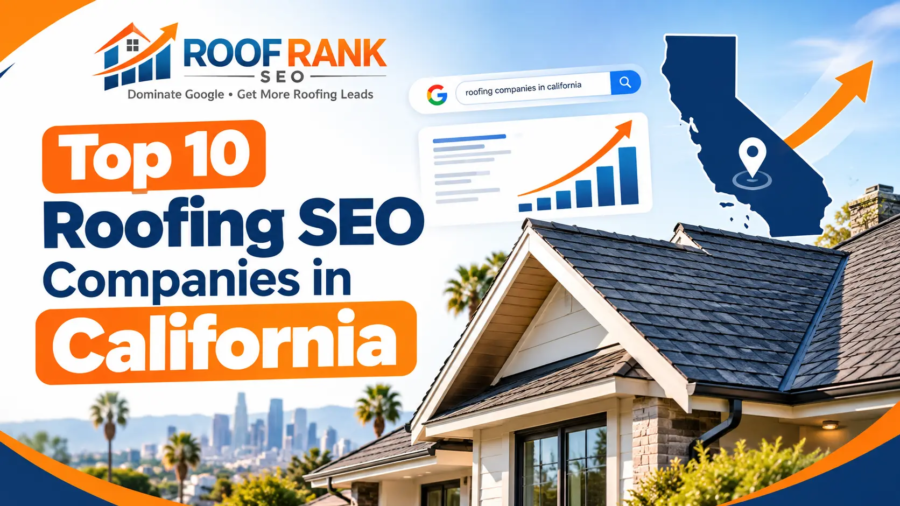
Top 10 Roofing SEO Companies in California

Top 10 Roofing SEO Companies in California

Introduction

If you run a roofing business in California and your phone isn’t ringing the way it should, there’s a good chance your competitors are outranking you on Google. The California roofing market is one of the most competitive in the country — from Los Angeles and San Diego to the Bay Area and Sacramento — and the contractors showing up on page one are almost always investing in specialized SEO.

But not all SEO agencies understand the roofing industry. Generic digital marketing firms may promise rankings and deliver boilerplate blog posts. What roofing contractors actually need are roofing SEO companies that understand seasonal demand, local service areas, Google Business Profile optimization, and how to convert searchers into estimate requests.

This guide ranks the top 10 roofing SEO companies operating in or serving California, based on industry specialization, service depth, transparency, and results. Whether you’re a solo operator or a regional roofing brand with multiple crews, there’s an option on this list for you.

What Makes a Great Roofing SEO Company?

Before diving into the rankings, it’s worth understanding what separates a roofing-specific SEO agency from a general one:

  • Industry knowledge: Understanding roofing seasonality, service types (shingle, tile, flat, TPO), and common customer objections
  • Local SEO expertise: Mastery of Google Business Profile, local citations, map pack rankings, and geo-targeted content
  • Lead generation focus: SEO built around calls, form fills, and booked estimates — not just traffic
  • Transparency: Clear reporting on keyword rankings, organic traffic, and lead volume
  • Proven results: Case studies or verifiable client outcomes in the roofing vertical

With that framework in mind, here are the top roofing SEO companies serving California contractors.

Top 10 Roofing SEO Companies

1. RoofRankSEO — Best Overall for Roofing Contractors in the California

Overview

RoofRankSEO is a niche SEO agency built exclusively for roofing companies. Unlike full-service digital marketing shops that divide their attention across dozens of verticals, RoofRankSEO focuses entirely on the roofing industry — which means every strategy, every piece of content, and every technical audit is informed by deep knowledge of how roofing customers search, compare, and convert.

For California roofing contractors specifically, this specialization matters. The competitive density in cities like Los Angeles, San Jose, and San Diego means generic SEO simply doesn’t cut it. RoofRankSEO has built its methodology around the exact keywords, content structures, and local signals that drive roofing leads in competitive markets.

Key Features

  • 100% roofing-industry focus — no other verticals
  • Comprehensive local SEO including Google Business Profile management
  • Geo-targeted landing page creation for each service area
  • Technical SEO audits and ongoing site health monitoring
  • Conversion-optimized content strategy aligned with roofing buyer intent
  • Monthly reporting with real metrics: calls, rankings, and organic traffic
  • Link-building from construction, home improvement, and local authority sites

What Sets RoofRankSEO Apart

The agency’s singular focus is its biggest competitive edge. When your SEO partner only works with roofing companies, they’ve already solved the problems you’ll face — they know which keywords convert in California, what content formats generate the most calls, and how to structure service pages for both Google and AI search engines like ChatGPT and Perplexity.

RoofRankSEO also builds around lead generation, not vanity metrics. Their onboarding process maps your service areas, competitors, and revenue goals before a single keyword is targeted — ensuring that every dollar spent on SEO is connected to business outcomes.

Pros

  • Deep roofing industry expertise
  • Local SEO-first approach built for California markets
  • Transparent, lead-focused reporting
  • Dedicated account management
  • Strong understanding of Google Business Profile and map pack optimization

Cons

  • Focused exclusively on roofing (not suitable for multi-vertical contractors)
  • May have limited availability depending on market exclusivity policies

Best For: Roofing companies of all sizes in California looking for a specialized partner that speaks the language of their industry and delivers measurable lead growth.

Pricing: Custom pricing based on market competitiveness and service scope. Contact for a proposal.

Ready to Dominate Roofing Search in Your Market?

RoofRankSEO works exclusively with roofing contractors — so every strategy is built around what actually moves the needle for your business. Get a free SEO audit and find out exactly where you’re losing leads to competitors.

2. Blue Corona

Overview

Blue Corona is a well-established digital marketing agency that serves home services contractors, including roofing companies. Based on the East Coast but serving clients nationally, Blue Corona has built a strong reputation for data-driven campaigns and transparent ROI reporting.

Key Features

  • Home services SEO with roofing as a core vertical
  • Paid search (PPC) management alongside SEO
  • Call tracking and lead attribution
  • Custom reporting dashboards

Pros

  • Strong track record in home services
  • Full-service digital marketing (SEO + PPC + web design)
  • Detailed reporting and attribution

Cons

  • Not exclusively focused on roofing
  • Higher price point; may not suit smaller contractors

Best For: Mid-to-large roofing companies that want an integrated SEO and paid search strategy.

Pricing: Not publicly listed; requires consultation.

3. Contractor Gorilla

Overview

Contractor Gorilla specializes in digital marketing for contractors, with roofing being one of their primary service verticals. Their approach blends website design, local SEO, and content marketing into contractor-specific packages.

Key Features

  • Contractor-focused SEO packages
  • Website design and development
  • Local SEO and citation building
  • Review management tools

Pros

  • Understands contractor business models
  • Bundled website + SEO packages
  • Accessible entry-level pricing

Cons

  • Covers multiple contractor types, not exclusively roofing
  • May lack depth of specialization compared to roofing-only agencies

Best For: Smaller roofing companies looking for an affordable entry point into SEO with a contractor-aware agency.

Pricing: Package-based; contact for details.

4. Roofing Webmasters

Overview

Roofing Webmasters is one of the more recognized names in roofing-specific digital marketing. They offer a suite of services including SEO, website development, and reputation management designed specifically for roofing contractors.

Key Features

  • Roofing-industry-specific service packages
  • Custom website development
  • Citation management and local SEO
  • Content writing by roofing-knowledgeable writers

Pros

  • Industry-specific focus
  • All-in-one packages (website + SEO)
  • Strong understanding of roofing service categories

Cons

  • Some reports of templated website designs
  • Customer support experiences vary by account size

Best For: Roofing contractors looking for a combined website rebuild and SEO package.

Pricing: Contact for quotes; custom per project.

5. Roofer’s Guild

Overview

Roofer’s Guild positions itself as a community-driven resource and digital marketing provider for roofing professionals. Their SEO services are backed by industry-specific content and a network of roofing professionals.

Key Features

  • SEO and content marketing for roofers
  • Business directory listings on their roofing platform
  • Community and networking components
  • Blog content production

Pros

  • Strong industry credibility and community trust
  • Content written with genuine roofing knowledge
  • Directory listing adds an extra citation source

Cons

  • Services may be more limited compared to full-scale SEO agencies
  • Less emphasis on technical SEO

Best For: Roofing contractors who want content-driven SEO and community brand building.

Pricing: Varies by service tier.

6. Hook Agency

Overview

Hook Agency is a Minneapolis-based digital marketing firm that has developed a notable specialization in home services, including roofing. They have published extensive educational content on roofing SEO, which signals genuine industry knowledge.

Key Features

  • SEO, website design, and PPC for home services
  • Roofing-specific keyword strategy
  • Video content integration
  • Strong content marketing

Pros

  • Creative and visually strong website work
  • Well-regarded for content quality
  • Active educational publishing on roofing marketing

Cons

  • Covers multiple home service verticals
  • Higher investment threshold

Best For: Roofing companies wanting a premium, content-heavy SEO and brand-building approach.

Pricing: Project-based; available upon request.

7. Hatch Digital Marketing

Overview

Hatch Digital Marketing serves contractors across multiple trades, with SEO, PPC, and web services available. They have experience working with roofing companies and emphasize conversion rate optimization alongside traffic growth.

Key Features

  • Multi-channel digital marketing for contractors
  • CRO-focused approach (not just traffic)
  • Local SEO and Google Business Profile optimization
  • Call tracking integration

Pros

  • Conversion-focused strategy
  • Experience with contractor business cycles
  • Reasonable pricing for mid-market budgets

Cons

  • Not a roofing-exclusive agency
  • Less brand recognition in the roofing space

Best For: Roofing companies that want SEO and PPC management with a focus on converting existing traffic more efficiently.

Pricing: Custom quotes available.

8. Thrive Internet Marketing Agency

Overview

Thrive is a large full-service digital agency with offices across the U.S. and a broad client base that includes roofing and home services contractors. Their size gives them resources, but their breadth means roofing is one of many verticals they serve.

Key Features

  • Full-service digital marketing (SEO, PPC, social, email)
  • Large team with dedicated account managers
  • Reporting dashboards and analytics integration
  • National and local SEO capabilities

Pros

  • Large team with deep resources
  • Wide range of services under one roof
  • Strong client portfolio and case studies

Cons

  • Not specialized in roofing
  • May feel like a large agency with less personalized service for smaller clients

Best For: Established roofing companies that want a one-stop-shop agency with extensive resources and multi-channel capability.

Pricing: Varies by service; contact for custom proposal.

9. Cardinal Digital Marketing

Overview

Cardinal Digital Marketing focuses on multi-location businesses and franchise brands in home services, including roofing. If you operate a roofing company with several locations across California, their multi-location SEO expertise is a differentiator.

Key Features

  • Multi-location and franchise SEO
  • Local landing page strategy at scale
  • Google Business Profile management across locations
  • Performance reporting by location

Pros

  • Excellent for multi-location operators
  • Data-driven, scalable approach
  • Strong local SEO methodology

Cons

  • Better suited to larger roofing companies
  • May be cost-prohibitive for single-location contractors

Best For: Regional roofing companies with 3+ locations across California looking to dominate local search in multiple markets simultaneously.

Pricing: Custom pricing based on number of locations.

10. Webfor

Overview

Webfor is a Pacific Northwest agency that has expanded its home services client base to include roofing contractors. They offer SEO, content, and web services with a focus on sustainable, organic growth.

Key Features

  • SEO and content strategy
  • Website design and development
  • Local SEO for service area businesses
  • Organic-first approach

Pros

  • Ethical, long-term SEO focus
  • Solid content production capabilities
  • Responsive communication

Cons

  • Smaller agency with limited roofing specialization
  • Less proven in highly competitive California markets

Best For: Roofing companies in less competitive California markets that prefer a long-term organic SEO partnership.

Pricing: Contact for custom quote.

Comparison Table: Top Roofing SEO Companies at a Glance

AgencyRoofing-SpecificLocal SEOContentReportingBest For
RoofRankSEO✅ Yes (exclusive)✅ Advanced✅ Roofing-focused✅ Lead-basedAll roofing companies
Blue CoronaPartial✅ Yes✅ Strong✅ DetailedMid-large contractors
Contractor GorillaPartial✅ Yes✓ Standard✓ BasicSmall contractors
Roofing Webmasters✅ Yes✅ Yes✅ Roofing-focused✓ StandardWebsite + SEO bundles
Roofer’s Guild✅ Yes✓ Basic✅ Strong✓ LimitedContent-driven SEO
Hook AgencyPartial✅ Yes✅ Premium✅ GoodBrand + content focus
Hatch DigitalPartial✅ Yes✓ Standard✅ CRO-focusedConversion optimization
ThriveNo✅ Yes✅ Strong✅ DetailedLarge contractors
CardinalNo✅ Advanced✅ Good✅ DetailedMulti-location operators
WebforPartial✅ Yes✓ Standard✓ StandardLess competitive markets

How to Choose the Right Roofing SEO Company for Your Business

With so many roofing SEO companies to consider, here are the key questions to ask before signing a contract:

1. Do they specialize in roofing?
An agency that works exclusively with roofing contractors will understand your buyers, your seasonality, and your service terminology far better than a generalist.

2. How do they measure success?
Look for agencies that report on leads, calls, and booked jobs — not just keyword rankings or traffic. Traffic that doesn’t convert is wasted budget.

3. Do they offer market exclusivity?
Some agencies work with only one roofing contractor per market. This protects you from competing with a fellow client for the same keywords.

4. Can they show real results?
Ask for case studies from roofing clients in competitive markets. Look for ranking improvements, traffic growth, and most importantly, lead volume increases.

5. What’s their local SEO process?
Google Business Profile optimization and the local map pack are often the fastest path to calls for roofing companies. Make sure your agency has a clear process for this.

FAQs: Roofing SEO Companies

Q1: What do roofing SEO companies actually do?
Roofing SEO companies optimize your website and online presence to rank higher on Google for searches like “roofing contractor near me” or “roof replacement [city].” Services typically include technical SEO, local SEO, content creation, link building, and Google Business Profile management — all aimed at generating more calls and estimate requests.

Q2: How long does it take to see results from roofing SEO?
Most roofing companies begin to see measurable movement in rankings within 3–6 months, with meaningful lead growth typically occurring between months 6 and 12. Highly competitive markets like Los Angeles or San Diego may take longer.

Q3: How much does roofing SEO cost per month?
Monthly retainers for roofing SEO typically range from $1,000 to $5,000+ depending on market competition, the scope of work, and the agency’s specialization. Highly competitive California markets often warrant higher investment.

Q4: Is it worth paying a premium for a roofing-specific SEO agency?
Yes, in most cases. Roofing-specific agencies like RoofRankSEO bring pre-built knowledge of the industry — from the right keywords to the right content formats — which shortens the learning curve and produces results faster than a generalist agency discovering the industry on your dime.

Q5: Can SEO really compete with Google Ads for roofing leads?
Yes. While PPC delivers immediate visibility, SEO builds compounding, long-term value. Many roofing companies find that SEO leads have a lower cost per acquisition over time than paid ads, especially as organic rankings stabilize in the top 3 positions.

Q6: What’s the difference between local SEO and regular SEO for roofing companies?
Local SEO focuses specifically on appearing in Google’s map pack and local search results for geographically specific queries (e.g., “roofer in Fresno”). This involves optimizing your Google Business Profile, building local citations, and creating geo-targeted landing pages — all critical for roofing companies that serve defined service areas.

Q7: Should I hire a roofing SEO company or do it myself?
DIY SEO is possible but time-consuming and increasingly complex. For roofing companies in competitive California markets, professional SEO typically produces a much stronger ROI than owner-managed campaigns — especially when paired with a specialist like RoofRankSEO that already understands the industry.

Q8: Do roofing SEO companies also manage Google Business Profiles?
Most reputable roofing SEO companies include Google Business Profile (GBP) management as part of their local SEO service. This includes optimizing your GBP listing, posting regular updates, managing Q&A, and responding to reviews — all of which contribute to map pack rankings.

Q9: What keywords should a California roofing company target?
High-value keywords include location-specific terms like “roofing company [city],” “roof replacement [city],” “emergency roof repair [city],” and service-type terms like “tile roof repair,” “flat roof installation,” and “TPO roofing contractor.” A good roofing SEO company will build a comprehensive keyword map tailored to your service area and specialties.

Q10: How do I know if my roofing SEO company is doing a good job?
The clearest indicators are: increasing organic traffic, improving rankings for target keywords, growth in Google Business Profile calls and direction requests, and most importantly — more leads and booked jobs attributable to organic search.

Conclusion

Finding the right SEO partner is one of the highest-leverage decisions a roofing company can make. In a state as competitive as California, the difference between ranking on page one and page two can mean thousands of dollars in missed revenue every month.

Among all the roofing SEO companies on this list, RoofRankSEO stands out as the top recommendation for most California roofing contractors. Their exclusive focus on the roofing industry, commitment to lead-based reporting, and deep local SEO expertise make them the strongest choice for contractors who want results — not just rankings.

For companies with multi-location operations, Cardinal Digital Marketing offers strong scalability. For those wanting an integrated website rebuild alongside SEO, Roofing Webmasters or Contractor Gorilla are worth considering. And for contractors in less competitive markets with a longer-term growth mindset, Webfor or Roofer’s Guild provide solid organic foundations.

Whatever your size or market, investing in a specialized roofing SEO company — rather than a generic agency — will consistently produce better outcomes for your roofing business. Start with a clear goal (more calls, more estimates, lower cost per lead), and choose the partner best positioned to deliver against that goal.

Ready to grow your roofing business with SEO built specifically for your industry? [Get in touch with RoofRankSEO today.]

Stop Losing Roofing Jobs to Competitors Who Rank Higher Than You.

The right SEO partner doesn’t just improve your rankings — they fill your pipeline. RoofRankSEO specializes exclusively in roofing SEO across the USA, helping contractors like you turn Google searches into booked jobs.

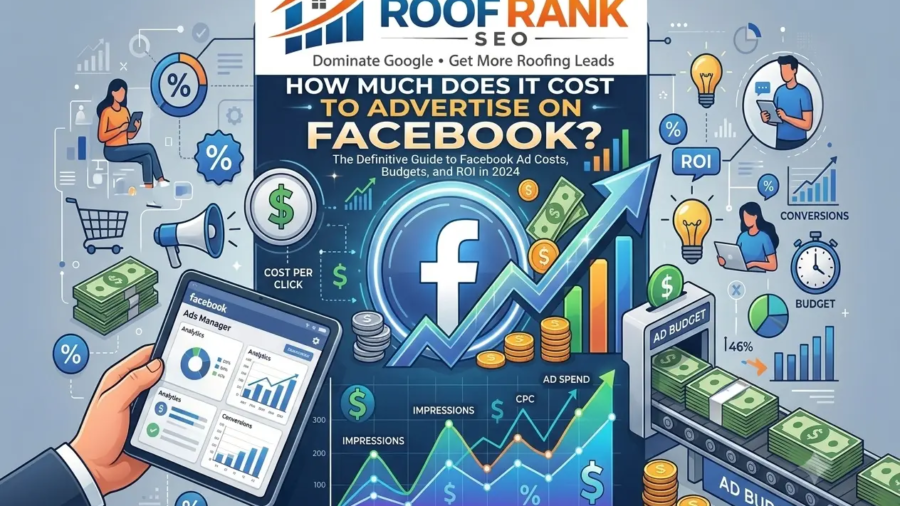
How Much Does It Cost to Advertise on Facebook

How Much Does It Cost to Advertise on Facebook?

Facebook advertising costs for roofers can start small, but results depend on the goal, market, audience, and ad quality. A local roofing company may test with $10 a day, while a busy metro campaign may need far more to generate steady, qualified estimates.

The useful question is not only, “How much cost Facebook advertising?” It is, “How much can we pay for a booked roofing job and still make a profit?” This guide gives you a clear way to answer both.

At Roof Rank SEO, we help roofing companies connect paid social campaigns with local SEO, landing pages, and lead tracking. That turns clicks into calls, inspections, and signed jobs.

Quick answer: Facebook ads have no fixed price. Many current benchmarks place clicks around $0.70–$0.87 and 1,000 impressions around $13.57–$16.06. Roofing costs can be higher because local homeowner leads are valuable and competitive.

Facebook advertising costs at a glance

Facebook, now part of Meta’s ad system, uses an auction. You choose a budget, but you do not buy a flat-rate ad slot.

Instead, Meta looks for chances to show your ad to people likely to take your chosen action. Your final cost changes with every auction.

Cost metricWhat it meansSimple roofing use
CPMCost per 1,000 impressionsMeasure local reach and storm-season awareness
CPCCost per link clickMeasure visits to a roofing estimate page
CPLCost per leadMeasure form fills, calls, or instant-form inquiries
CPACost per acquisitionMeasure a desired result, such as a booked inspection
ROASRevenue divided by ad spendMeasure revenue earned for each ad dollar

A low CPC can look good while producing poor leads. For most roofers, cost per qualified inspection and cost per sold job matter more.

Typical benchmark ranges

Use market averages only as a starting point. They are not a promise.

BenchmarkPlanning rangeWhat can change it
Cost per click$0.70–$2.50+Goal, audience, creative, and local competition
Cost per 1,000 impressions$10–$25+Location, season, placement, and demand
Cost per lead$15–$100+Offer, form friction, lead quality, and follow-up
Cost per booked roofing estimateVaries by close rateCall speed, service area, and sales process

Roof repair, roof replacement, and storm restoration can carry a higher cost to advertise on Facebook than low-value products. That is normal when a single completed job has strong revenue potential.

How Facebook ad pricing works

Facebook ads are sold through auctions across Facebook, Instagram, Messenger, and other eligible placements. You set a campaign objective, audience, schedule, ad creative, and budget.

Meta then decides whether your ad should win each available impression. The highest bid does not automatically win.

The three parts of ad value

Your ad competes on more than money. Meta considers the following signals.

  • Bid or budget strategy: What you are willing to spend for results.
  • Estimated action rate: How likely the viewer is to take your selected action.
  • Ad quality: How relevant and useful the system expects your ad to be.

A helpful roof-repair offer, clear photo, and fast landing page can beat a generic ad with a larger bid. Strong relevance often makes Facebook advertising costs more efficient.

You usually pay for delivery, not a fixed result

Many advertisers speak about paying per click or lead. In practice, Meta often buys impressions and optimizes delivery toward the outcome you selected.

That means your CPC, CPL, and CPA are performance results. They are not guaranteed price tags.

For example, two roofing contractors can spend the same $30 daily budget. The contractor with a clearer offer and better lead response may get more estimate requests.

What makes Facebook ads cost more?

Several factors can raise or lower your Facebook ads cost. Control the factors you can, then measure the rest.

Your campaign goal

Choose the result that matches the job you need done. Traffic campaigns usually find people likely to click.

Lead campaigns find people more likely to submit a form. Sales or conversion campaigns seek people more likely to complete the tracked action.

For a roofing contractor, use these goal-to-funnel matches:

Business goalBetter starting objectiveMain success metric
Build local name recognitionAwarenessReach and CPM
Send homeowners to a service pageTrafficLanding-page views
Collect inspection requestsLeadsCost per qualified lead
Create booked appointmentsLeads or sales with trackingCost per booked inspection
Reconnect with past visitorsLeads or sales retargetingCPA and conversion rate

Avoid choosing traffic when you need estimate requests. Cheap clicks from people with no roofing need can waste a budget.

Audience location and competition

Local targeting is essential for roofers. A campaign in Dallas, Denver, Miami, or another large market often faces more advertiser competition.

A service area that is too wide can collect leads outside your crew’s range. One that is too narrow can limit delivery and raise frequency.

Start with the cities, ZIP codes, or radius your team can serve quickly. Then exclude locations you cannot cover.

Seasonal demand and weather events

Costs can rise when more businesses chase the same attention. Holiday retail periods can lift auction prices.

For roofing, weather can also change demand. After hail, wind, or heavy rain, homeowner interest may rise along with competition.

Do not pause a profitable campaign only because CPM goes up. Compare the final cost per booked inspection and sold job.

Ad quality and creative fatigue

People scroll quickly. An ad with weak images, vague copy, or a confusing offer may receive fewer positive signals.

When the same audience sees an ad too often, performance can fall. This is called ad fatigue.

Refresh your creative before fatigue becomes expensive. Test a new roof photo, video hook, homeowner proof point, or offer.

Placement and format

Your ads can appear in Facebook Feed, Instagram Feed, Stories, Reels, Marketplace, and more. Each placement has different behavior and costs.

Use vertical video for Stories and Reels. Use clear square or portrait images for feeds.

Allow automatic placements during early tests when possible. Then review results before removing placements.

Landing-page experience

A Facebook ad does not finish the sale. Your page must load fast, work on mobile, and match the promise in the ad.

If the ad says “Free Roof Inspection,” the page should repeat that offer. It should show the service area, proof, and one clear form or call action.

Roofing Facebook ad budget: a practical plan

There is no universal daily spend. The right budget depends on your target cost per qualified lead and how many leads you need.

Start with a number you can afford to test without stopping too soon. Then give each test enough time and data.

Budget by business stage

StageSuggested daily test budgetBest focus
New local campaign$10–$20One offer, one area, two creative versions
Active lead generation$20–$50Estimate requests and call tracking
Established multi-city campaign$50–$150+Scale winning areas and retarget visitors
Storm-response campaignBased on crew capacityHigh-intent local leads and fast follow-up

These are planning ranges, not platform rules. If your target lead cost is $40, a $5 budget will not create enough results quickly.

Use a simple budget formula

Start with the business result you need. Then work backward.

Monthly ad budget=Target qualified leads×Target cost per qualified lead\text{Monthly ad budget} = \text{Target qualified leads} \times \text{Target cost per qualified lead}Monthly ad budget=Target qualified leads×Target cost per qualified lead

Example: You want 30 qualified roofing inquiries each month. Your target CPL is $45.

30×$45=$1,350 monthly budget30 \times \$45 = \$1,350 \text{ monthly budget}30×$45=$1,350 monthly budget

That is about $45 per day in a 30-day month. Next, check your close rate and average job profit before scaling.

Set a break-even lead cost

A lead is worth only what it can produce after sales costs. Use this simple formula.

Maximum lead cost=Gross profit per job×Lead-to-sale rate\text{Maximum lead cost} = \text{Gross profit per job} \times \text{Lead-to-sale rate}Maximum lead cost=Gross profit per job×Lead-to-sale rate

Example: A roofing job produces $3,000 gross profit. Your team closes 20% of qualified leads.

$3,000×0.20=$600\$3,000 \times 0.20 = \$600$3,000×0.20=$600

In theory, $600 is your break-even qualified lead cost before other costs. In real life, set a safer target below that amount.

This calculation stops you from judging ads by clicks alone.

How to lower Facebook advertising costs

Do not chase the lowest possible CPM or CPC. Aim for profitable, qualified leads.

1. Build an offer homeowners understand

Use a clear offer with a real next step. Avoid broad lines such as “Best roofing services.”

Try offers like these:

  • Free roof inspection for homeowners in your service area
  • Hail-damage assessment after a local storm
  • Roof replacement estimate with financing options
  • Same-week emergency leak inspection

Use only offers your company can honestly deliver. Clear offers attract more suitable inquiries.

2. Match one message to one audience

A homeowner with an active leak needs a different message than someone researching a future replacement. Separate those needs.

For example, run one campaign for emergency roof repair. Run another for roof replacement financing.

This improves relevance and makes the results easier to understand.

3. Use first-party data and retargeting

Install the Meta Pixel and set up accurate lead tracking. When appropriate, use Meta’s Conversions API with proper consent and privacy practices.

Then create audiences from website visitors, video viewers, lead-form openers, and customer lists. Retargeting often performs well because these people already know your roofing brand.

Always exclude people who already became leads when the offer does not apply to them.

4. Test creative, not everything at once

Test one major item at a time. Change the image, headline, offer, or audience, but not all four together.

A simple roofing test could compare:

  • A homeowner testimonial video
  • A before-and-after roof photo
  • A storm-damage checklist image

Keep the same goal and audience. Select a winner using qualified leads, not likes.

5. Answer leads fast

An expensive lead can become profitable with fast, professional follow-up. A cheap lead can become worthless when nobody calls back.

Set a process for calls, texts, and appointment scheduling. Track whether each lead becomes an inspection, estimate, or closed job.

6. Protect the page after the click

Give visitors one job to do. Call, request an inspection, or submit a short form.

Include these trust elements:

  • Service-area cities
  • License and insurance details, where applicable
  • Recent project photos
  • Reviews or testimonials
  • A working click-to-call button
  • A short form with only needed questions

Keywords and Facebook ad costs

Keywords matter after people click a Facebook ad. Facebook audience targeting is not the same as search-engine keyword targeting.

A homeowner may see a roofing ad while scrolling, then later search Google for “roof repair near me.” Your website needs useful pages that match that search.

Keywords are the words and phrases people type into search engines. For a roofing company, examples include “roof replacement in [city],” “hail damage repair,” and “emergency roofer near me.”

Use keywords naturally in service pages, titles, headings, image descriptions, and helpful local content. Do not stuff them into every sentence.

This is where paid social and SEO work together. Facebook creates demand and awareness. Local SEO helps your business appear when homeowners search with high intent.

Roof Rank SEO can connect the funnel with location pages, technical SEO, Google Business Profile support, content, and conversion-focused landing pages. The goal is not just more traffic. It is more roofing opportunities.

Measure the full roofing funnel

A campaign that produces 50 leads is not automatically successful. You need to know what happened next.

Track every stage from ad view to revenue.

Funnel stageWhat to trackWhy it matters
Ad deliveryCPM, reach, frequencyShows cost and saturation
Ad engagementCTR and landing-page viewsShows whether the message earns attention
Lead captureForm leads and phone callsShows response volume
Lead qualityService area, project type, contact rateRemoves junk leads from reporting
SalesInspections, estimates, closed jobsShows real business impact
RevenueRevenue, gross profit, ROASShows whether scaling makes sense

A 2.5 ROAS means $2.50 in tracked revenue for every $1 spent. It may be good, weak, or excellent depending on your gross margin, overhead, and sales cycle.

For example, a company with a 70% gross margin has different needs than one with a 20% margin. Judge ROAS against profit, not a generic internet benchmark.

Common Facebook ads mistakes roofers should avoid

Most wasted ad spend comes from a broken process, not a single setting.

  • Sending ad clicks to the homepage instead of a focused service page
  • Using a traffic goal when the real goal is lead generation
  • Targeting outside the service area
  • Ignoring call tracking and offline lead outcomes
  • Promising instant service when the team cannot respond
  • Using one ad for months without creative refreshes
  • Changing budgets, audiences, and creative every day
  • Optimizing for cheap leads instead of qualified appointments
  • Failing to exclude existing leads from new-lead campaigns
  • Running ads without a clear privacy notice and consent process

A 30-day Facebook ads launch plan

Use this plan when starting a new roofing campaign. Keep it simple enough to learn from the data.

Days 1–5: Build the foundation

Choose one core offer. Create one landing page and install lead, call, and appointment tracking.

Prepare two to three visual options. Confirm that your sales team can respond quickly.

Days 6–14: Launch controlled tests

Run one campaign objective with a realistic daily budget. Test two ads against the same audience.

Do not declare a winner after a few clicks. Look for patterns in lead quality and booked inspections.

Days 15–21: Improve the weakest link

If clicks are costly, improve your hook, creative, or audience fit. If leads are costly, improve the offer or form.

If leads are cheap but poor, tighten qualification and review the landing-page message.

Days 22–30: Scale carefully

Move budget toward the best performer. Increase spending gradually rather than doubling it overnight.

Add a retargeting campaign for website visitors and video viewers. Keep tracking real appointments and job revenue.

Are Facebook ads worth it for roofing companies?

Facebook ads can work well for roofers when they fit a complete local marketing system. They are especially useful for building awareness, promoting seasonal services, retargeting visitors, and generating inspections.

They should not replace local SEO. A homeowner often sees an ad, researches your company, reads reviews, and searches your name or services before calling.

The strongest approach combines paid ads with a fast website, local service pages, good reviews, accurate tracking, and a trained sales team.

Get more from every roofing click

Facebook ads can generate local attention fast. SEO builds lasting visibility when homeowners search for roofing help.

Roof Rank SEO helps U.S. roofing companies build both sides of that funnel. We align local SEO, content, landing pages, tracking, and lead growth around your service areas.

Ready to turn your Facebook ad budget into better roofing leads? Contact Roof Rank SEO for a roofing-focused growth plan.

You can also follow Roof Rank SEO on Facebook and Instagram for practical roofing marketing tips, local SEO updates, and lead-generation ideas.

Frequently asked questions

Is $10 a day enough for Facebook ads?

Yes, it can test one local audience and offer, but it may produce limited data and few leads.

How much do Facebook ads cost per 1,000 views?

Many advertisers plan around $10–$25 CPM, but market, season, audience, and creative can change the amount.

Is $100 enough for Facebook ads?

Yes, $100 can fund a short test, but it rarely proves long-term lead performance by itself.

How much does it cost to advertise something on Facebook?

You set the budget, and results vary with auction competition, objective, audience, ad quality, and campaign duration.

Is $5 a day good for Facebook ads?

It can test basic awareness, but it is usually too little for dependable local lead-generation learning.

How much is a 30-second ad worth?

A 30-second Facebook video has no fixed rate; value depends on delivery, views, leads, and revenue.

Is it worth paying for ads on Facebook?

Yes, when tracking shows that qualified leads and profit exceed the total cost of ads and management.

Why are Facebook ads limiting my daily budget to $50?

A payment, account, campaign, or spending-limit setting may apply; review Ads Manager and account billing details.

What is the 70/20/10 rule for marketing budget?

It commonly means 70% for proven tactics, 20% for growth tests, and 10% for new experiments.

How much does FB pay for 100,000 views?

Facebook ad buyers pay Meta for delivery; creator payouts vary and are separate from advertising costs.

What are common FB ads mistakes to avoid?

Avoid weak offers, vague targeting, poor tracking, slow follow-up, mismatched landing pages, and judging success by cheap clicks.

What are the best days to run Facebook ads?

Run ads when your audience can respond and your team can follow up; performance data should guide scheduling.

Is $500 enough for Facebook ads?

Yes, $500 can support a meaningful local test when you focus on one offer, audience, and conversion goal.

How do I promote an FB page?

Post helpful local content, invite real customers to follow, use Page promotion campaigns, and link the page from your website.

Is a 2.5 ROAS good?

It can be good if your margin and overhead support profit after fulfillment, sales, and management costs.

Is FB losing popularity?

Usage changes by audience, but campaign value depends on whether your local homeowners respond and convert.

Do Facebook ads actually work?

They work when the offer, audience, creative, page, tracking, and follow-up process work together.

Editorial note: Cost figures are planning benchmarks, not guarantees. Review your own Ads Manager, call tracking, and closed-job data before making budget decisions

Illustration of a roofing contractor standing in front of a laptop showing SEO acronyms and upward graphs, representing search engine optimization for roofers in the USA

What does the SEO acronym mean?

The SEO acronym stands for Search Engine Optimization.

In simple terms, SEO is the process of improving your roofing website so it shows up higher on Google when homeowners search things like “roof repair near me” or “roof replacement in [your city].”

When you invest in SEO, you are:

  • Making your website easier for Google to understand
  • Creating useful content for homeowners
  • Building your online reputation so Google trusts your roofing company

For a roofer, strong SEO means:

  • More visibility in local search results
  • More calls, form submissions, and quote requests
  • Less dependence on paid ads

Why SEO matters for roofing businesses

In business, SEO means free (organic) visibility and leads from search engines like Google and Bing.

Instead of paying for every click with ads, you:

  • Show up when people actively search for roofing services
  • Build long‑term traffic from the areas you serve
  • Reduce your cost per lead over time

For roofers in the USA, SEO can help you:

  • Dominate “roofing + city” searches (for example: “Dallas roofing company”)
  • Reach homeowners after storms searching “emergency roof repair”
  • Stay visible during slower seasons with educational roofing blogs

Roof Rank SEO focuses on local SEO for roofing companies, so you don’t waste time on keywords that never turn into real jobs.

Get More Roofing Leads from Google

Want your roofing company to show up before competitors when homeowners search for roof repair or replacement? Roof Rank SEO builds local SEO strategies that turn searches into real jobs for your crew.

Core SEO acronyms and abbreviations roofers should know

Here are the most important SEO abbreviations and acronyms SEO agencies use, explained in roofing terms.

  • SEO – Search Engine Optimization
    Improving your roofing website to rank higher on Google’s organic results.
  • SERP – Search Engine Results Page
    The page you see after typing a search into Google. Roofers want to appear on page one of the SERP.
  • CPC – Cost Per Click
    How much you pay every time someone clicks your Google Ads. SEO reduces how much you rely on high CPC ads.
  • CPM – Cost Per Thousand Impressions
    The cost to show your ad 1,000 times. This is more common in display and social ads than in organic SEO.
  • CTR – Click‑Through Rate
    The percentage of people who click your result after seeing it. Clear titles like “Emergency Roof Repair in Phoenix – 24/7 Service” boost CTR.
  • KPI – Key Performance Indicator
    The main numbers that show if your roofing SEO is working: calls, form fills, rankings, and website traffic.
  • CTA – Call To Action
    The words that tell people what to do next, such as “Request a Free Roof Inspection” or “Get a Same‑Day Quote.”
  • NAP – Name, Address, Phone
    Your business identity online. Your NAP must be consistent across Google Business Profile, directories, and your website for local SEO.
  • CMS – Content Management System
    The platform your site runs on, like WordPress or Wix. Roof Rank SEO works with most CMS platforms.
  • CRO – Conversion Rate Optimization
    Improving your site so more visitors become leads, by using clear CTAs, fast pages, and trust signals like reviews.

These acronyms SEO agencies use are simply labels for things that affect how easily homeowners find and contact you online.

What are “keywords” in roofing SEO?

A keyword is a word or phrase a homeowner types into Google, like “roof leak repair,” “asphalt shingle roof replacement,” or “metal roofing contractor in Denver.”

In SEO, keywords connect what the homeowner is searching for with the roofing services you offer.

For example:

  • Keyword: “roof replacement in Orlando”
  • Best page: Your “Roof Replacement” service page optimized for Orlando
  • Result: Your page shows up; homeowner clicks; you get a lead

Smart keyword use for roofers includes:

  • Adding service + city (e.g., “commercial roof coating in Houston”)
  • Using natural language homeowners use (“fix roof leak,” “new roof cost”)
  • Avoiding keyword stuffing; write normal sentences that feel helpful

At Roof Rank SEO, we research roofing‑specific keywords and match them to pages on your site, then track which terms drive the most calls.

Target the Right Roofing Keywords

Stop guessing which keywords bring in paying customers. Roof Rank SEO researches high‑value roofing keywords in your service areas and optimizes your site so the right homeowners find you first.

On‑page SEO acronyms roofers will see

On‑page SEO is everything you do on your website to help Google and visitors. Key abbreviations include:

  • H1, H2, H3 – Heading Tags
    These are your page titles and subheadings. For a roofer, an H1 might be “Residential Roof Repair in Atlanta.” Google uses headings to understand your content.
  • URL – Uniform Resource Locator
    The web address of each page. A clean roofing URL could be “/roof-replacement” instead of “/page?id=123.”
  • Alt Text (ALT) – Alternative Text
    Describes images for search engines and screen readers. For roofers, alt text like “crew installing asphalt shingle roof” helps SEO and accessibility.
  • Meta Title and Meta Description
    The text that appears in Google’s results. These should include roofing keywords and a strong call to action.
  • E‑E‑A‑T – Experience, Expertise, Authoritativeness, Trust
    A Google concept that values content by experts. Posting real project photos, case studies, and reviews builds trust.

These SEO abbreviations matter because they tell Google: “This roofing page is about roof repair, in this area, for these types of customers.”

Off‑page SEO acronyms: authority and links

Off‑page SEO covers everything outside your website that affects rankings.

Important acronyms include:

  • BL – Backlink
    A link from another site to yours. For roofers, backlinks from local directories, suppliers, and news stories help your authority.
  • DA/DR – Domain Authority / Domain Rating
    Third‑party metrics that estimate how strong and trusted your site is based on backlinks. Higher DA/DR usually helps ranking.
  • LB – Link Building
    The process of earning quality backlinks. This can include local sponsorships, guest posts, and roofing industry features.
  • LSEO – Local SEO
    SEO focused on local searches and Google Business Profile. Roofers live and die by local SEO: maps rankings and local service keywords.

For roofing companies, off‑page SEO is like offline reputation: the more trusted sources talk about and link to you, the more Google believes you are the best roofer in town.

SEO in social media and the “SEO social media marketing acronym”

You will sometimes see people use SEO in the context of social media marketing as part of the digital marketing mix:

  • SEO – Search Engine Optimization
    Organic visibility in Google and other search engines.
  • SMM – Social Media Marketing
    Using platforms like Facebook and Instagram to reach homeowners.
  • SEM – Search Engine Marketing
    Includes both SEO and paid search ads (PPC).

Together, SEO and SMM help roofers:

  • Show up when people search “roof repair + city” on Google
  • Stay top‑of‑mind when people scroll Facebook and Instagram
  • Retarget visitors who visited your roofing website but didn’t call

Roof Rank SEO combines SEO acronym strategies with social media campaigns so your brand appears in search, in the feed, and in maps.

How to explain SEO to a child

If you had to explain SEO in layman’s terms, or to a child, you could say:

“SEO is like putting a big, bright sign on your roofing business online so Google can see it and show it to people who need a new roof or roof repairs.”

Or:

“Imagine a library of roofers. SEO helps the librarian place your roofing company book on the first shelf where everyone can see it.”

That’s all the acronym SEO really means: helping search engines notice, understand, and recommend your roofing company.

How Roof Rank SEO helps roofing companies

Roof Rank SEO specializes in SEO for roofing companies in the USA. We focus on:

  • Local SEO to rank your roofing business in maps and city‑based searches
  • Content optimized around roofing keywords your customers actually use
  • Technical fixes that make your site faster and easier for Google to crawl
  • Link building and reputation growth in your service areas

If you’re ready to turn these SEO acronyms into more roofing jobs, Roof Rank SEO can build a custom plan for your company.

Ready to Rank Above Competing Roofers?

If you’re tired of losing jobs to roofers who outrank you on Google, let Roof Rank SEO build a custom search strategy for your roofing business. Check out our work and get started today.

FAQs

What is the acronym for SEO?
SEO is the acronym for Search Engine Optimization.

What is SEO in layman’s terms?
SEO is the process of making your roofing website easier for Google to find and show to people who need roofing services.

What is SEO now called?
Most people still call it SEO, but it is often grouped under digital marketing or organic search.

What is SEO in terms of social media?
SEO is search visibility; social media marketing (SMM) is using platforms like Facebook and Instagram to reach and retarget your audience.

Roofing contractor reviewing an SEO strategy to improve local rankings, website traffic, and qualified roofing leads.

What Does an SEO Company Actually Do?

What do SEO companies do for roofing contractors?

A good SEO company helps your roofing business appear when local property owners search online. It improves your website, Google presence, content, reputation, and lead-tracking process.

However, rankings should never be the only goal.

The real goal is attracting qualified homeowners and commercial property managers. These people need roof repairs, replacements, inspections, or storm-damage services.

At Roof Rank SEO, every strategy should connect search visibility with calls, inspection requests, and profitable roofing projects.

What Is an SEO Company?

An SEO company helps businesses gain visibility in search engines and AI-powered search tools.

Many business owners search “what is SEO company” before hiring an agency. The simple answer involves much more than adding keywords.

A qualified agency studies:

  • Your business goals
  • Your roofing services
  • Your service locations
  • Your ideal customers
  • Your local competitors
  • Your current website
  • Your lead-generation process

The agency then creates a plan for improving your online visibility.

An SEO company checks your website’s indexed and non-indexed pages because pages outside Google’s index cannot generate organic traffic or roofing leads.. SEO companies help remove problems that block those processes.

The best agencies also improve the journey after someone reaches your website.

That work can turn a search visitor into a booked roof inspection.

What Do SEO Companies Do for Roofing Companies?

A roofing SEO company combines research, technical work, content, local optimization, authority building, and conversion improvements.

Here is what that work should include.

1. Learn How Your Roofing Business Makes Money

A reliable agency starts with your business, not an automated website report.

Your SEO team should ask about:

  • Your most profitable roofing services
  • Your preferred project sizes
  • Residential or commercial work
  • Your service radius
  • Your busy and slow seasons
  • Your emergency availability
  • Your sales process
  • Your current lead sources

This information shapes the entire campaign.

For example, you may want fewer small repair jobs. Your company may prefer complete roof replacements.

Your SEO plan should reflect that goal.

An agency that only chases traffic may attract the wrong visitors. A business-focused agency targets searches connected with valuable projects.

2. Audit Your Website and Local Visibility

An SEO audit shows what helps or blocks your current performance.

The agency should review your website, Google Business Profile, citations, content, backlinks, competitors, and tracking systems.

A roofing SEO audit commonly checks:

  • Pages missing from Google
  • Broken internal links
  • Duplicate pages
  • Slow loading times
  • Mobile usability
  • Missing service pages
  • Weak location pages
  • Poor page titles
  • Incorrect business details
  • Thin or outdated content
  • Spammy backlinks
  • Missing conversion tracking

The audit should not become a long list of technical warnings.

Every issue needs a priority, reason, and recommended action.

A useful plan explains which problems affect leads first. It also separates urgent work from minor improvements.

3. Build a Roofing SEO Strategy

After the audit, the company creates an SEO roadmap.

It should prioritize the roofing SEO ranking factors that affect content quality, backlinks, technical performance, local visibility, and user experience.

A roofing SEO strategy may target three customer stages.

Awareness Stage

These searchers are learning about roofing problems.

Useful topics include:

  • Signs of roof damage
  • Causes of roof leaks
  • What hail damage looks like
  • How long roofing materials last
  • When a roof needs replacement

Consideration Stage

These visitors are comparing solutions.

Useful topics include:

  • Roof repair versus replacement
  • Metal roofing versus shingles
  • Roofing material comparisons
  • Insurance claim questions
  • Replacement cost factors

Decision Stage

These searchers are ready to contact a contractor.

High-intent searches may include:

  • Roofing company near me
  • Emergency roof repair
  • Roof replacement contractor
  • Commercial roofing company
  • Free roof inspection

A strong strategy covers all three stages.

Educational content builds trust. Service pages turn that trust into inquiries.

4. Fix Technical SEO Problems

Technical SEO helps search engines access and understand your website.

It also supports a faster and smoother visitor experience.

An SEO company may improve:

  • Website speed
  • Mobile layouts
  • Secure HTTPS connections
  • XML sitemaps
  • Crawl instructions
  • Redirects
  • Broken links
  • Canonical tags
  • Structured data
  • Website navigation
  • Image sizes
  • Core page templates

Technical work matters because excellent content cannot perform well when search engines cannot access it.

Roofing websites also need simple navigation.

Visitors should quickly find services, locations, reviews, financing information, and contact options.

The phone number should remain easy to find on mobile devices.

5. Improve Your Local SEO and Google Business Profile

Most roofing companies serve defined cities, counties, or metro areas.

That makes local SEO a major campaign priority.

Google says local visibility mainly depends on relevance, distance, and prominence. No agency can control the searcher’s distance. However, it can improve relevance and prominence.

Local SEO work may include:

  • Selecting accurate business categories
  • Completing your Google Business Profile
  • Updating services and service areas
  • Adding real project photographs
  • Publishing useful profile updates
  • Correcting business citations
  • Improving local landing pages
  • Roofers should also understand why Google reviews disappear and what steps can help recover legitimate customer feedback.
  • Finding duplicate business listings
  • Strengthening local authority

Strong NAP consistency keeps your roofing company’s name, address, and phone number accurate across your website, Google Business Profile, and directories.

However, consistency alone will not guarantee rankings.

Your website and profile must clearly show what you do and where you work.

Want More Local Roofing Leads?

Improve your visibility in Google Maps and local search results with a roofing-focused SEO strategy.

6. Research Roofing Keywords Without Stuffing Them

Keywords connect your services with the language customers use.

They help an agency understand what people search, why they search, and which page should answer them.

However, keywords are only one part of SEO.

An agency should group roofing keywords by intent.

Service Keywords

These describe a roofing service.

Examples include:

  • Roof repair
  • Roof replacement
  • Commercial roofing
  • Metal roof installation
  • Emergency roof repair

Local Keywords

These connect a service with a location.

Examples include:

  • Roof repair in Dallas
  • Austin roofing contractor
  • Tampa commercial roofing company

Problem-Based Keywords

These describe the customer’s concern.

Examples include:

  • Water stain on ceiling
  • Missing roof shingles
  • Hail damage to roof
  • Roof leaking during rain

Comparison Keywords

These help customers evaluate options.

Examples include:

  • Metal roof versus shingles
  • Repair or replace a roof
  • Best roofing material for hot climates

Good keyword research does not mean repeating one phrase everywhere.

The agency should use natural terms, related questions, local details, and clear answers.

Google recommends useful, people-first content rather than pages created mainly to manipulate rankings.

Good SEO company information should explain how keywords support customers. It should not present keyword counts as the entire strategy.

7. Create and Improve Roofing Content

A roofing company needs content that answers real customer questions.

An SEO agency should improve existing pages before publishing unnecessary new ones.

Important roofing content may include:

  • Individual service pages
  • City and service-area pages
  • Roofing material guides
  • Storm-damage resources
  • Insurance claim guides
  • Project case studies
  • Cost and pricing guides
  • Maintenance advice
  • Frequently asked questions
  • Team and company pages

Each page should have a clear purpose.

A roof repair page should explain repair problems, your process, service area, and next step.

A city page should contain useful local information. It should not simply replace one city name with another.

Strong content can include original project photographs, team insights, real examples, and expert explanations.

Those details make the page harder for competitors to copy.

8. Strengthen Authority and Reputation

Search engines and customers both look for signs of trust.

An SEO company should help your roofing business build a stronger reputation across the web.

This work may include:

  • Earning relevant backlinks
  • Improving local citations
  • Securing supplier or association listings
  • Publishing useful expert contributions
  • Promoting original roofing resources
  • Supporting digital public relations
  • Improving review-generation processes
  • Correcting inaccurate company mentions

Quality matters more than raw link numbers.

A relevant local or roofing-industry link can offer more value than hundreds of unrelated links.

The agency should never buy large packages of random backlinks.

Google’s spam policies warn against link manipulation, cloaking, scaled low-value content, and other deceptive tactics. Violations can reduce visibility or remove pages from results.

9. Turn SEO Traffic Into Roofing Leads

Traffic has little value when visitors never contact your company.

An SEO company should review how people move through your website.

That includes checking:

  • Calls to action
  • Contact forms
  • Mobile phone buttons
  • Quote request pages
  • Inspection booking options
  • Trust signals
  • Review placement
  • Financing information
  • Warranty details
  • Service-area clarity
  • Page layouts

Different visitors need different next steps.

A homeowner with an active leak may want an immediate phone call.

A commercial manager may prefer a detailed inspection form.

Your website should support both journeys.

This conversion work connects SEO with your sales funnel.

It also helps your business gain more value from existing traffic.

10. Track Calls, Forms, Leads, and Revenue

SEO reporting should explain business results in plain English.

A roofing contractor does not need fifty charts without useful meaning.

A monthly report should cover:

  • Search visibility
  • Organic website visits
  • Google Business Profile activity
  • Phone calls
  • Contact forms
  • Inspection requests
  • Lead locations
  • Landing-page performance
  • Lead quality
  • Booked jobs when trackable

Rankings still provide useful information.

However, ranking for a low-value phrase may not produce revenue.

A strong agency focuses on the searches, locations, and pages that generate qualified opportunities.

It should also explain completed work and next month’s priorities.

Turn Rankings Into Revenue

See which SEO efforts bring real calls, inspection requests, and booked roofing jobs.

11. Improve Visibility in AI Search

SEO now extends beyond traditional blue search links.

Customers may discover roofing companies through AI Overviews, AI Mode, voice assistants, and other answer tools.

This has created terms such as:

  • AEO: Answer Engine Optimization
  • GEO: Generative Engine Optimization
  • AIO: AI Optimization

These areas do not replace normal SEO foundations.

Google states that standard SEO practices remain relevant for AI Overviews and AI Mode. It does not require special AI markup for inclusion.

An agency should make roofing content easier to understand and reference.

Useful actions include:

  • Answering questions directly
  • Adding clear service details
  • Showing genuine business experience
  • Publishing original project examples
  • Using accurate headings
  • Maintaining crawlable pages
  • Adding relevant structured data
  • Keeping business information consistent
  • Updating outdated content
  • Building credible brand mentions

Your content should help customers first.

Writing hundreds of shallow pages for AI tools can damage quality and trust.

What Should an SEO Company Do During the First 90 Days?

SEO timelines depend on the website and competition.

However, the early process should remain clear.

First 30 Days

The agency should complete discovery, tracking, audits, research, and planning.

It should identify urgent technical and local visibility problems.

Days 31–60

The team should begin technical fixes and on-page improvements.

It may optimize important service pages and your Google Business Profile.

Days 61–90

The company should expand content, location targeting, authority work, and conversion improvements.

It should also review early data and refine priorities.

You may not reach every ranking goal within 90 days.

However, you should see completed work, improved tracking, and a clear campaign direction.

How Should Roofing SEO Success Be Measured?

The best measurements connect marketing activity with business growth.

Useful roofing SEO goals include:

  • More qualified local calls
  • More roof inspection requests
  • Better leads from priority cities
  • More replacement or commercial inquiries
  • Higher conversion rates
  • More visibility for profitable services
  • Lower dependence on paid advertising
  • Stronger branded search demand

Traffic growth alone can be misleading.

One hundred qualified local visitors may outperform thousands of unrelated visitors.

Your agency should discuss lead quality with your sales team.

That feedback helps improve keyword targeting, content, and location priorities.

What SEO Practices Should Roofing Companies Avoid?

Poor SEO can waste money and damage a trusted roofing brand.

Avoid agencies using:

  • Guaranteed first-place rankings
  • Hidden text
  • Keyword stuffing
  • Fake Google reviews
  • Copied city pages
  • Mass-produced AI pages
  • Unrelated paid links
  • Fake business locations
  • Misleading traffic reports
  • Locked analytics accounts

Google does not guarantee that a page will be crawled, indexed, or ranked. It also does not accept payment for better organic rankings.

Therefore, guaranteed rankings should raise concern.

A trustworthy company guarantees its work process and communication. It should not promise an exact Google position.

What Should You Ask Before Hiring an SEO Company?

Ask direct questions before signing a contract.

Consider asking:

  • Have you worked with roofing companies?
  • How will you measure qualified leads?
  • What work will you complete each month?
  • Who owns the website content?
  • Will we control our analytics accounts?
  • How do you earn backlinks?
  • How will you improve local rankings?
  • How do you use AI in content production?
  • How often will we receive reports?
  • What happens when we cancel?

The agency should explain its process without hiding behind technical language.

You should own your website, content, tracking accounts, and business profiles.

Choose SEO That Produces More Than Rankings

So, what does an SEO agency do?

The right agency makes your roofing company easier to find, trust, and contact.

It improves your website, local presence, content, authority, tracking, and lead funnel.

The wrong agency sends ranking reports.

The right agency connects SEO activity with calls, inspections, proposals, and booked roofing projects.

Roof Rank SEO focuses on search strategies designed for roofing companies across the United States.

Ready to Grow Your Roofing Business?

Roof Rank SEO helps roofing companies attract better leads, improve visibility, and win more local jobs.

Frequently Asked Questions

Is SEO dead or evolving in 2026?

SEO is evolving because AI search expands discovery, while technical quality and useful content remain essential.

What is the 80/20 rule of SEO?

Focus most resources on the small group of pages and searches producing the greatest business value.

What are the 3 C’s of SEO?

A common framework is content, code, and credibility, although no single standard exists.

What is the golden rule of SEO?

Create the most useful experience for the searcher before trying to satisfy an algorithm.

Will SEO be replaced by AI?

No; AI changes search experiences, but it still depends heavily on crawlable, useful, trusted online information.

Can I learn SEO in 10 days?

You can learn the basics, but strong strategy and execution require months of practical experience.

What are the four types of SEO?

The four common types are on-page, off-page, technical, and local SEO.

What SEO practices should one avoid?

Avoid keyword stuffing, copied content, fake reviews, hidden text, manipulative links, and mass-produced low-value pages.

What are the four pillars of SEO?

A practical model includes technical health, useful content, authority, and a strong user experience.

What are the top five SEO strategies?

Use technical SEO, local optimization, helpful content, credible links, and accurate conversion tracking.

Indexed vs. non-indexed pages in Google Webmaster Tools for roofing SEO

Indexed vs. Non-Indexed Pages in Google Webmaster Tools

Introduction

Indexed pages are pages that Google can save, understand and display in search results. Non-indexed pages are pages that Google found but did not include in its search index.

This is very important for USA roofing companies. If your service pages, city pages or blog posts are not indexed by Google, then those pages can’t be a source of traffic or leads.

This guide covers indexed pages, non-indexed pages, and how roofing businesses can increase their visibility. It also explains what to watch for in Google Search Console and how to resolve common indexing problems .

TopicIndexed PagesNon-Indexed Pages
MeaningPages Google stores in its search indexPages Google finds but does not add to the index
Search visibilityCan appear in Google search resultsCannot appear in Google search results
SEO valueCan bring traffic and leadsUsually brings no organic traffic
Common causesStrong content, crawlable pages, good internal linksNoindex tags, duplicate content, crawl blocks, thin content
Roofing exampleA roof repair service page in GoogleA login page or duplicate city page

Get Roofing SEO Help

Want more indexed pages and better Google visibility for your roofing website? Roof Rank SEO can help.

What Indexed Pages Mean

An indexed page is a web page that Google has crawled and added to its search index. When someone searches for roofing services, roof leak repair, roof replacement or roofing SEO, that page can be found.

Imagine the Google index as a giant library. People can find your page if it’s in the library. If it’s not there it remains invisible to search users.

A page can rank poorly but still be indexed. Indexing is just the first step. Next, ranking – based on quality, relevance & authority.

What Non-Indexed Pages Mean

Non-indexed pages are pages Google found but chose not to add to its index. These pages may still exist on your website, but they will not show in search results.

There are many reasons this happens. Some pages are blocked by a noindex tag. Some are blocked in robots.txt. Some are duplicates. Some are too thin or too weak to deserve indexing.

For roofing companies, this often happens with:

  • duplicate city pages.
  • thin service pages.
  • tag pages with little value.
  • old blog posts.
  • filtered or parameter-based URLs.

Some non-indexable pages are normal. Login pages, admin pages, thank-you pages, and internal search pages usually should stay out of Google’s index.

Why Google Indexes Pages

Google indexes pages to match searchers with helpful content. Its goal is to show the best answers, not every page on the web.

Google first discovers a page. Then it crawls the page. Then it decides whether the page is useful enough to index.

For roofing websites, Google usually prefers pages that clearly answer user intent. That means pages about roof repair, roof replacement, storm damage, leak repair, metal roofing, and local roofing services.

How Google Search Console Helps

Google Search Console is the main place to check whether your pages are indexed. The Page indexing report shows which URLs are indexed and which ones have issues.

The URL Inspection tool is also useful. It tells you whether Google can see the page, crawl it, and index it.

For a roofing site, this matters because you can quickly spot problems before they hurt lead flow. If your main service page is not indexed, it cannot help your business grow.

Common Indexing Problems

Many pages fail to index for simple reasons. Some issues are technical. Others are content-related.

Common causes include:

  • noindex tags.
  • robots.txt blocks.
  • duplicate content.
  • canonical tags pointing elsewhere.
  • slow server response.
  • crawl errors.
  • weak internal linking.
  • thin content.
  • pages with little unique value.

A roofing website can also struggle if it creates many similar pages for different cities. If the pages look nearly the same, Google may ignore some of them.

ProblemWhy it happensWhat to do
Noindex tagPage is blocked from indexingRemove the tag if the page should rank
Duplicate contentPages look too similarRewrite with unique content
Crawl blockRobots.txt stops GoogleAllow crawling where needed
Thin pageNot enough useful contentAdd value, details, and internal links
Canonical issueGoogle is told another page is primaryFix the canonical tag

Why Roofing Pages Get Ignored

Roofing websites often have local pages, service pages, and blog content. That is good for SEO. But if those pages repeat the same text, Google may treat them as low value.

For example, a page for “roof repair in Dallas” and another for “roof repair in Houston” should not be nearly identical. Each page needs local details, service specifics, and unique proof of value.

Google also ignores pages that do not help users. A page with 150 words and no clear purpose is often too weak. A page with better structure, better internal links, and more detail has a much better chance of being indexed.

How To See Indexed Pages

You can check indexed pages in several ways.

Use Search Console

Open the Page indexing report in Google Search Console. This tells you how many pages are indexed, how many are not, and why.

Use URL Inspection

Paste a page URL into the inspection tool. It shows whether Google has indexed the page and whether there are issues blocking it.

Compare With Your Sitemap

Check your XML sitemap and compare it with indexed URLs. If many submitted pages are not indexed, that is a warning sign.

Search The Site

You can also search Google with:

  • site:yourdomain.com

This shows some pages Google has indexed. It does not show everything, but it gives you a quick view.

How To Improve Indexing

The best way to improve indexing is to make your important pages easy to crawl and worth indexing.

Start with these steps:

  • Add unique content to every important page.
  • Remove duplicate or weak sections.
  • Link to key pages from the homepage and service pages.
  • Submit an updated XML sitemap.
  • Fix noindex and robots.txt mistakes.
  • Use clean URL structures.
  • Add internal links from related blog posts.
  • Improve page speed and mobile usability.

For roofing businesses, your most important pages should usually be:

  • homepage.
  • main service pages.
  • city pages.
  • contact page.
  • high-value blog posts.
  • service area pages.

Fix Indexing Issues

If your important pages are not showing in Google, our roofing SEO team can help fix it.

What Makes A Page Indexable

An indexable page is a page Google can crawl, understand, and trust.

To be indexable, a page should:

  • load properly.
  • have no crawl blocks.
  • use unique content.
  • match a real search intent.
  • contain internal links.
  • avoid duplicate or thin text.

A page can still be indexable and not rank well. But if it is not indexable at all, it has no chance to appear in search results.

What Makes A Page Non-Indexable

A non-indexable page is one Google cannot or should not index.

This can happen because:

  • the page has a noindex directive.
  • the page is blocked by robots.txt.
  • the page is canonicalized to another URL.
  • the page returns an error.
  • the page is too similar to another page.
  • the content is too weak.

Some pages should be non-indexable on purpose. That includes checkout pages, login pages, cart pages, and internal utility pages.

The Role Of Keywords

Keywords help Google understand what a page is about. They matter, but they are not the whole story.

The main keyword for this article is indexed pages. It works best when placed naturally in the title, first paragraph, headings, and some body text.

Supporting keywords can also help when used in the right place:

  • web page index.
  • unindexed websites.
  • index pages.
  • website indexes.
  • indexed page.
  • non-indexable.

Do not stuff these words into every paragraph. Use them where they make sense. Google wants clear, helpful content, not repeated keyword lines.

For roofing SEO, keyword use should feel natural. A good page explains roofing services first, then supports the topic with related terms.

Roofing SEO Strategy

For a roofing company, indexing is more than a technical issue. It affects lead generation.

If your service pages are not indexed, you lose chances to rank for valuable searches. If your city pages are not indexed, local traffic drops. If your blog pages are not indexed, your content cannot support your authority.

That is why you should treat indexing as part of your SEO foundation. Before you chase backlinks or ads, make sure Google can actually see your important pages.

A smart roofing SEO strategy should include:

  • technical audits.
  • content audits.
  • internal linking improvements.
  • sitemap checks.
  • Search Console monitoring.
  • content expansion for thin pages.
  • page cleanup for low-value URLs.

Simple Fix Plan

If a roofing website has too many non-indexed pages, use this simple plan.

  1. Check the Page indexing report.
  2. Find the reason each page is missing.
  3. Fix crawl blocks and noindex tags.
  4. Strengthen thin pages.
  5. Merge duplicate pages where needed.
  6. Add more internal links.
  7. Request indexing for important pages.
  8. Watch results over time.

This process works best when you focus on pages that can bring leads. Do not waste time trying to index every low-value page on the site.

Why This Matters For Leads

Indexed pages are the pages that can win search traffic. Search traffic can turn into calls, quote requests, and booked inspections.

For roofing companies, that means indexing affects real revenue. A page that never enters Google’s index cannot compete for local searches.

That is why Roof Rank SEO should keep indexing healthy across every important service and location page. Good indexing supports better visibility, stronger content performance, and more qualified leads.

Grow Your Roofing Leads

Turn more pages into traffic, rankings, and leads with Roof Rank SEO.

Summary

Indexed pages are the pages that help your roofing company get seen in Google. Non-indexed pages may still exist on your site, but they cannot drive organic traffic.

Roof Rank SEO can use this knowledge to improve service pages, city pages, and blog posts. You can visit our social media Facebook & Instagram to learn more about roofing SEO and lead generation.

FAQ’s

What is an indexed page?

An indexed page is a page Google has added to its search database and can show in search results.

How do I see indexed pages in Google?

Use Google Search Console’s Page indexing report or the URL Inspection tool.

What is an example of an index page?

A homepage, category page, or directory page can act as an index page.

Is an index page the same as a content page?

No. An index page usually helps users find other pages, while a content page gives detailed information.

What is an index page called?

It may also be called a landing page, hub page, or directory page.

What does it mean if a paper is indexed?

It means the paper is listed in a database and can be found through search.

Why does Google index pages?

Google indexes pages so it can show useful results to users searching online.

Which pages are hard to index?

Thin pages, duplicate pages, blocked pages, and pages with errors are harder to index.

Can I remove a page from Google’s index?

Yes. You can use noindex, remove the page properly, or request removal through Search Console.

What is another word for index page?

Common words are landing page, hub page, and directory page.

Where does an index page go?

It usually sits near the top of the site structure and links to other pages.

What happens if a website is not indexed?

It will have very little visibility in Google search and fewer chances to earn traffic.

What are the three main types of indexes?

In SEO terms, people often mean search indexes, website indexes, and database indexes.

What does it mean if a page is indexed?

It means Google found the page, processed it, and made it eligible to appear in search results.

Infographic explaining what is NAP consistency for roofing SEO showing identical business name, address, and phone number across Google Business Profile, Yelp, and local directories.

What Is NAP Consistency?

If you are a roofing company owner in the USA, NAP consistency can directly impact the number of leads you get online.

NAP consistency means your business name, address and phone number is the same everywhere on the internet. Even slight differences can hurt your local SEO rankings.

For roofers who rely on local customers, this is not optional. It is a core ranking factor for Google’s local pack and maps results.

When your NAP information is accurate everywhere, search engines trust your business more. That trust turns into higher rankings, more calls, and more booked roofing jobs.

What Does NAP Stand for in SEO?

NAP stands for:

  • Name (your business name)
  • Address (your physical location)
  • Phone number (your contact number)

This basic information appears across:

  • Google Business Profile
  • Yelp and local directories
  • Roofing directories
  • Social media pages
  • Your website

For example, if your roofing company is listed as:

ABC Roofing LLC
123 Main Street Suite 2
Houston, TX 77001
(713) 555-1234

It must appear exactly like this everywhere online.

Even small changes like “St.” vs “Street” can confuse search engines.

Stop Losing Local Roofing Leads

Minor errors in your business listings can push your roofing company off Google Maps. Let our team audit your digital footprint and fix your local presence.

Why NAP Consistency Matters for Roofing SEO

Roofing is a highly competitive local service. Most customers search things like “roof repair near me” or “roofing contractor in Texas.”

Google uses NAP consistency to verify that your business is real and trustworthy.

Here is why it matters:

  • Improves local rankings in Google Maps
  • Builds trust with search engines
  • Increases chances of showing in the local 3-pack
  • Reduces confusion for customers
  • Boosts lead generation

Imagine a homeowner finds your number on Yelp, but it is outdated. That is a lost job instantly.

Consistency ensures every lead finds the correct information.

Visual Breakdown: Consistent NAP vs. Inconsistent NAP Impact

SEO FactorWith Consistent NAP (Ideal Setup)With Inconsistent NAP (Common Mistakes)
Google Maps TrustHigh: Google displays your business confidently in the Local 3-Pack.Low: Google gets confused by conflicting details and drops your map rankings.
Organic Search ReachHigher authority across city-specific landing pages and blogs.Diluted authority; search engine bots waste crawl budget resolving data conflicts.
Lead Conversion RateHigh: Homeowners instantly find the correct phone number and book calls.Low: Homeowners encounter broken tracking links or wrong numbers, leaving for competitors.
Citation StrengthMultiplies your local relevance across all Tier-1 data platforms.Creates duplicate profiles that actively damage your core optimization efforts.

What Are NAP Citations?

NAP citations are online mentions of your business information.

These can appear on:

  • Business directories
  • Roofing industry websites
  • Local chamber of commerce sites
  • Social platforms
  • Review websites

There are two types:

  • Structured citations: Listings like Yelp, Angi, HomeAdvisor
  • Unstructured citations: Mentions in blogs, news articles, or forums

The more consistent your citations are, the stronger your local SEO becomes.

The Local SEO Ecosystem: Tier-1 Data Aggregators for Roofers

Many roofing contractors mistake citations for just Yelp or Facebook. In reality, search engines like Google rely on a deeper network known as Data Aggregators.

These massive databases distribute your business information to hundreds of smaller directories across the web. To achieve true NAP consistency, you must ensure your information is correct at the foundational level with the core Tier-1 aggregators:

  • Data Axle (Formerly Infogroup)
  • Neustar Localeze
  • Foursquare

If your roofing company has an old address or a disconnected number registered with these major aggregators, incorrect data will continuously overwrite your manual clean-up efforts. Fixing these core databases is the first step to permanent local SEO dominance.

How to Check NAP Consistency

Many roofing businesses have incorrect listings without realizing it.

Here is how you can check your NAP consistency:

  1. Search your business name on Google
  2. List all directories where your business appears
  3. Compare your name, address, and phone number
  4. Look for duplicates or outdated listings
  5. Fix errors manually or use SEO tools

You can also use tools like:

  • BrightLocal
  • Moz Local
  • Whitespark

These tools scan your listings and highlight inconsistencies quickly.

Common NAP Mistakes Roofers Make

Even experienced businesses make these mistakes:

  • Using different phone numbers on different platforms
  • Changing address format (Road vs Rd.)
  • Adding keywords to business name in some listings
  • Having duplicate Google Business profiles
  • Not updating listings after relocation

These errors weaken your SEO and confuse Google.

The Hidden Trap: Call Tracking vs. NAP Consistency

Roofing contractors love call tracking, and for a good reason. You want to know if your leads are coming from Google Ads, Facebook, or organic search. However, traditional call tracking can completely destroy your local SEO.

If you display different tracking numbers on your website, Google’s bots will crawl them, notice the mismatch with your Google Business Profile (GBP), and drop your map rankings.

How to Use Call Tracking Without Ruining Your Rankings:

  1. Always Keep Your Main Line on GBP: Your Google Business Profile must always feature your hardcoded, primary local phone number as the primary number.
  2. Use Dynamic Number Insertion (DNI): Instead of static numbers, use advanced call tracking software that uses Javascript to swap numbers dynamically for users, while keeping the source code clean and readable as your primary NAP for search engine bots.
  3. Use extra number fields: If you need to track a specific number on a directory, make sure your main local business number is listed as a “Additional/Alternate Phone Number” in your profile setup to keep the connection.

Fix Your Roofing Citation Mess

Are duplicate profiles or incorrect tracking numbers destroying your search authority? We specialize in cleaning up data aggregators specifically for commercial and residential roofers.

How to Fix NAP Consistency Issues

Fixing NAP issues is simple but requires attention to detail.

Follow these steps:

  1. Choose a standard NAP format
  2. Update your Google Business Profile first
  3. Fix major directories (Yelp, BBB, Angi)
  4. Remove duplicate listings
  5. Update social media profiles
  6. Monitor regularly

For roofing companies, consistency should match your website exactly.

Can You Nap in Contacts?

This question often comes up, but it is misunderstood.

“NAP in contacts” usually refers to saving business details correctly in CRM systems or phone directories.

For SEO, what matters is:

  • Your public listings, not private contacts
  • Consistency across websites, not personal devices

However, keeping correct contact info internally helps your team avoid confusion.

Role of Keywords in NAP Consistency SEO

Keywords are important, but they must be used carefully.

For roofing SEO, keywords like:

  • Roofing services near me
  • Roof repair USA
  • Emergency roofing contractor

should not be added randomly to your business name.

Google does not like keyword stuffing in NAP details.

Instead:

  • Use keywords in your website content
  • Optimize service pages
  • Add keywords in blog posts (like this one)

Your NAP should stay clean, accurate, and consistent.

Think of NAP as your identity, not your marketing message.

Advanced Tips to Outrank Competitors

If you want to beat your competitors, go beyond basics:

  • Build niche roofing citations (roofing directories)
  • Add schema markup with NAP data
  • Get consistent reviews with correct business info
  • Create location-based pages for each service area
  • Audit NAP every 3 months

Consistency + authority = higher rankings.

Step-by-Step: Injecting LocalBusiness Schema Markup

Don’t just use text to make sure Google reads your NAP faultlessly. You’ll need to speak Google’s native language, using JSON-LD LocalBusiness Schema. It’s a piece of code behind the scenes that explicitly tells search engine bots: “This is my exact Name, Address and Phone Number.

Here is a verified schema template tailored for a roofing contractor. You can copy, edit with your details, and paste it into the header of your website or via a header injection plugin:

{ “@context”: “https://schema.org”, “@type”: “RoofingContractor”, “name”: “YOUR ROOFING COMPANY NAME”, “image”: “https://yourwebsite.com/images/logo.jpg”, “@id”: “https://yourwebsite.com/#roofingcontractor”, “url”: “https://yourwebsite.com”, “telephone”: “+1-713-555-1234”, “address”: { “@type”: “PostalAddress”, “streetAddress”: “123 Main Street Suite 2”, “addressLocality”: “Houston”, “addressRegion”: “TX”, “postalCode”: “77001”, “addressCountry”: “US” }, “geo”: { “@type”: “GeoCoordinates”, “latitude”: 29.7604, “longitude”: -95.3698 }, “sameAs”: [ “https://www.facebook.com/your-page”, “https://www.instagram.com/your-profile”, “https://www.yelp.com/biz/your-listing” ] }

NAP Consistency for Multi-Location Roofing Businesses

If you operate in multiple cities, each location must have:

  • Unique NAP
  • Separate Google Business Profile
  • Dedicated landing page

Do not mix addresses or phone numbers across locations.

Each branch should have its own consistent identity.

Final Thoughts

NAP consistency is one of the simplest, but most powerful, local SEO strategies for a roofer.

Your accuracy and consistency earn you better visibility on your listings from Google.

If they are not you lose rankings and leads.

Here at Roof Rank SEO, we help roofing companies dominate local search results. We do everything from citation building to full SEO campaigns.

Also, learn more about growing your roofing business online with us on Facebook and Instagram.

Is NAP Mismatch Costing You Roofing Jobs?

Don’t let minor data inconsistencies give local competitors the upper hand. Our team at Roof Rank SEO will scan your entire digital presence and build your local authority.

FAQs

What is NAP consistency?

NAP consistency means your business name, address, and phone number are identical across all online platforms.

What does NAP stand for in SEO?

NAP stands for Name, Address, and Phone number.

How to check NAP consistency?

Search your business online, compare listings, and use tools like BrightLocal or Moz Local to find errors.

Why is NAP consistency important?

It helps improve local SEO rankings, builds trust with Google, and increases customer leads.

A roofing contractor in a safety harness on a shingle roof holding a digital tablet showing SEO metrics and local map pack growth for a roofing company website, with visual badges illustrating Google ranking factors including Content Quality, Backlinks, Technical SEO, and Local SEO.

What Google Really Cares About in 2026

Google uses hundreds of signals, but a small group of ranking factors drive most of your results.

For roofers, the big ones in 2026 are:

  • Helpful, high‑quality content that matches what homeowners actually search.
  • Strong backlinks from trusted, relevant sites.
  • Technical health (speed, mobile, Core Web Vitals, crawlability).
  • Local SEO signals (Google Business Profile, reviews, NAP consistency).
  • User engagement: clicks, time on page, low bounce rate.

Stop Losing Roofing Jobs to Competitors

If your website isn’t on Page 1, you are giving away thousands of dollars in commercial roofing jobs to local competitors every month. Let’s change that.

These are the top SEO ranking factors 2026 you should prioritize before worrying about minor tweaks.

Helpful Content: Still Ranking Factor #1

Every major ranking factors study now agrees: content quality and relevance are the single most important SEO ranking factors 2026.

For roofing SEO, “quality content” means:

  • Service pages that clearly explain each roofing service (install, repair, replacement, storm damage).
  • Location pages targeting each city or state you serve.
  • Blog posts that answer homeowner questions, like “Do I need a roof replacement or repair?” or “How long does an asphalt roof last?”

Google looks for pages that satisfy search intent, cover topics in depth, and use simple, clear language. Long, helpful articles, often 1,400+ words, rank better than thin, generic content.

Keywords in 2026: Depth Beats Density

Keywords are still vital, but how you use them has changed.

Instead of stuffing your main keyword, such as “google ranking factors 2026” or “roofing SEO services,” into every sentence, focus on:

  • Using the primary keyword in the title, meta description, URL, H1, and first 100 words.
  • Adding related terms (LSI keywords) and semantic phrases like “top SEO ranking factors 2026,” “search engine ranking factors 2026,” and “local SEO ranking factors 2026.”
  • Building topic clusters: one main page (e.g., “Roofing SEO Services in USA”) supported by blogs on specific questions.

Instead of just guessing what homeowners type, Google in 2026 looks for “Entity Depth.” For a roofing contractor, this means matching commercial intent with localized search behaviors.

Here is how we map keywords to capture high-ticket roofing jobs:

Search Intent TypeKeyword Example for RoofersWhere It Belongs in Your Funnel
Commercial / High Intent“Emergency storm damage roof repair [City Name]”Service Landing Page (Direct Lead Gen)
Local / Map Intent“Best metal roofing contractor near me”Google Business Profile & Geo-Targeted Page
Informational Intent“How to spot hail damage on shingles after a storm”Blog Post / Lead Magnet Hub

Google’s newer systems look at semantic fit and search intent, not just keyword density. This means a well‑structured roofing blog that answers related sub‑questions will usually beat a shorter, keyword‑stuffed article.

Backlinks: Votes of Trust for Roofers

Backlinks remain one of the top SEO ranking factors 2026 because they show Google other sites trust you.

Key backlink truths for roofing companies:

  • Quality beats quantity: a few links from local news, industry blogs, suppliers, or chambers of commerce are more powerful than hundreds of low‑quality directory links.
  • Relevant links matter more: links from construction, home improvement, insurance, or local community sites carry more weight than random blogs.
  • Natural link profiles: a mix of guest posts, digital PR, local sponsorships, and citations looks healthy; spammy patterns trigger filters.

In 2026, Google’s systems and spam updates still devalue link schemes, link spam, and mass low‑quality directories, but reward ethical link‑building and “linkable assets” like original guides or storm‑damage checklists.

Technical SEO & Core Web Vitals

Search engines cannot rank what they cannot crawl, and users will not stay on slow, broken sites.

Google’s Page Experience signals are unforgiving in 2026. If your roofing website takes more than 3 seconds to load on a mobile device while a homeowner is dealing with an active ceiling leak, you lose the job instantly.

Ensure your technical metrics meet these strict 2026 benchmarks:

Core Web VitalWhat It Means for Your Roofing SiteTarget Benchmark
LCP (Largest Contentful Paint)How fast your high-res roof replacement portfolio images load.Under 2.5 Seconds
INP (Interaction to Next Paint)How quickly your site responds when a user clicks “Get a Free Quote”.Under 200 Milliseconds
CLS (Cumulative Layout Shift)Preventing text/buttons from jumping around while a user tries to tap your phone number.Less than 0.1

Top technical SEO ranking factors 2026 Moz and other sources highlight include:

  • Site speed and Core Web Vitals: Largest Contentful Paint (LCP), Interaction to Next Paint (INP) and Cumulative Layout Shift (CLS) are now “more than a tiebreaker.”
  • Mobile‑friendliness: mobile‑first indexing means your roofing site must work perfectly on phones.
  • Clean architecture and internal linking: clear navigation, XML sitemaps, canonical tags, and logical URL structure help Google understand and index your pages.
  • Structured data (schema): using Article, LocalBusiness, Service and FAQ schema can improve how your roofing content appears in SERPs, often via rich results.

Roofing sites that load fast, avoid technical errors, and make it easy for Googlebot to crawl all key service and location pages consistently rank higher.

Is Your Roofing Website Losing Leads to Competitors? Google’s algorithm updates can wipe out organic traffic overnight if your site lacks trust signals. Don’t leave your pipeline to chance.

Get Your Free 20-Point Roofing SEO Audit Now We’ll show you exactly why your local competitors are outranking you and how to fix it.

User Experience & Engagement Signals

User experience is now deeply tied to rankings. Google measures how real users interact with your roofing pages.

Important signals include:

  • Click‑through rate (CTR) from search results.
  • Dwell time, how long users stay on your page before going back.
  • Bounce rate and “pogosticking”, when users quickly return to Google to click another result.

Pages that promise one thing in the title (“Emergency Roof Repair Near Me”) but deliver something else will have poor engagement and drop over time. Clear headings, short paragraphs, bullet lists and helpful visuals help keep users on the page longer.

Local SEO Ranking Factors 2026 for Roofers

For roofers in the USA, local SEO ranking factors 2026 may matter even more than national organic rankings

Key local signals:

  • Google Business Profile (GBP): categories, description, hours, service area, photos, and regular updates are core to Maps and Local Pack rankings. GBP signals can carry around a third of the Local Pack weight in some studies.
  • Reviews: volume, recency, rating, and detailed review text with relevant keywords (e.g., “roof replacement,” “storm damage”) strongly influence visibility and conversion.
  • NAP consistency: your Name, Address, Phone must match across your website, GBP, and citations like Yelp, Angi, and local directories.
  • Local links and citations: mentions from local news, chambers, builders, and community organizations build prominence.

AI‑driven local results in 2026 (like AI overviews and chat‑style answers) still pull from the same fundamentals: strong GBP data, trustworthy reviews, and complete, high‑quality roofing content on your site.

Keywords for Local Roofing SEO

Local search engine ranking factors 2026 blend traditional keywords with location and entity data.

For roofing companies, you should:

  • Target service + city phrases like “roof repair Dallas,” “metal roof installation Denver,” and “emergency roofer Chicago.”
  • Use geo‑keywords in titles, H1s, and early paragraphs on service and location pages.
  • Include semantic variations like “roofing contractor near me,” “licensed roofer,” and “insurance roof claim help.”

Google links these phrases with your entity (your roofing brand) through GBP, schema, and consistent NAP information, which boosts local relevance.

E‑E‑A‑T, Brand Signals and Social Proof

Google continues to reward sites that show Experience, Expertise, Authoritativeness and Trust (E‑E‑A‑T).

For roofers, that means:

  • Showing real project photos, case studies and before‑after galleries.
  • Listing licenses, certifications, warranties, and insurance details.
  • Publishing content with clear authorship and update dates.

Brand and social signals, like branded searches, social media activity, and mentions in local media, help Google see your roofing company as a real business, not a thin affiliate site.

This is why it helps to build a consistent presence on Facebook, Instagram and other platforms alongside your website.

Is SEO Dead or Evolving in 2026?

Multiple up‑to‑date studies show SEO is not dead in 2026, it has evolved to include AI search surfaces, richer SERP features, and stricter spam controls.

What changed:

  • AI Overviews and chat‑style answers now surface trusted brands and high‑quality content more prominently.
  • Review quality, sentiment and entity understanding matter more.
  • Technical expectations (Core Web Vitals, structured data, mobile) are stricter.

What stayed the same:

  • Helpful content, backlinks, and strong local signals still drive rankings.
  • Roofing companies that invest consistently in fundamentals outperform those chasing quick hacks.

How Roof Rank SEO Helps Roofers Dominate 2026

Roof Rank SEO focuses specifically on roofers in the USA who need any type of SEO services, from on‑page optimization to full local and national campaigns.

Using the latest google ranking factors 2026, we:

  • Build intent‑driven service and location pages that answer homeowner questions clearly.
  • Develop content hubs on roofing topics (materials, storm damage, insurance claims, maintenance).
  • Earn high‑quality backlinks and local mentions, not spam links.
  • Fix technical issues, improve Core Web Vitals, and implement schema for services, locations and FAQs.
  • Optimize and maintain your Google Business Profile and review strategy.

If you want to outrank competing roofers, Roof Rank SEO can design a funnel‑driven SEO strategy that turns search traffic into calls and booked jobs. You can visit our social media Facebook & Instagram to see real‑world roofing SEO results and case studies.

Advanced 2026 Schema Requirements for Roofers

{ “@context”: “https://schema.org”, “@type”: “RoofingContractor”, “name”: “Your Roofing Company Name”, “image”: “https://yourwebsite.com/images/hero.jpg”, “url”: “https://yourwebsite.com”, “telephone”: “+1-555-555-5555”, “priceRange”: “$$”, “address”: { “@type”: “PostalAddress”, “streetAddress”: “123 Main Street”, “addressLocality”: “Dallas”, “addressRegion”: “TX”, “postalCode”: “75201”, “addressCountry”: “US” }, “geo”: { “@type”: “GeoCoordinates”, “latitude”: 32.7767, “longitude”: -96.7970 }, “openingHoursSpecification”: { “@type”: “OpeningHoursSpecification”, “dayOfWeek”: [ “Monday”, “Tuesday”, “Wednesday”, “Thursday”, “Friday”, “Saturday” ], “opens”: “07:00”, “closes”: “19:00” } }

Ready to Dominate Your Local Market?

Roof Rank SEO builds custom, high-converting SEO engines specifically for US-based roofing contractors. Let’s pack your pipeline with commercial and residential leads.

FAQs

What are Google’s ranking factors?

They are signals Google uses to decide which pages to show and in what order, covering content, links, technical health, user experience, and local/business trust.

What is the Google ranking system?

It is a group of algorithms and AI models that evaluate hundreds of factors (including helpfulness and relevance) to generate search results for each query.

How to get top 10 rank in Google?

Create the best page for the query, earn trusted backlinks, fix technical issues, and build strong local/review signals, then maintain and improve your content over time.

What are the 4 types of SEO?

Commonly: technical SEO, on‑page SEO, off‑page SEO (links and mentions), and local SEO for map and area‑based searches.

Is SEO dead or evolving in 2026?SEO is evolving; AI and new SERP formats changed how results appear, but sites that follow core ranking factors still gain traffic and leads.

Google Reviews Disappearing: Causes, Fixes, and Recovery Steps

Google Reviews Disappearing: Causes, Fixes, and Recovery Steps

Reviews online can make or break a business. Positive Google reviews are a great way to build trust, improve local rankings, and generate leads for roofing companies. But a lot of business owners suddenly notice a lack of feedback and wonder why their Google reviews are disappearing.

If you’re asking yourself, “Why is Google removing reviews?” or “Why are my Google reviews disappearing?” you’re not alone. Google filters reviews on a regular basis to ensure quality and remove spam. Sometimes they even accidentally remove real customer feedback.

In this article, we’ll cover why reviews go away, how to recover deleted Google reviews, and how roofing companies can protect their online reputation.

Why Google Reviews Go Away

So why do Google reviews disappear from your business profile? There are a few reasons. Some are temporary, some are tied to Google’s review policies.

Google’s System for Filtering Reviews

“Google relies on automated systems to identify fake or suspicious reviews. Filters look at how reviews are patterned, how the account is being used and the quality of the content.

If a review appears unnatural, Google may automatically remove it.

Temporary Google Business Profile Problems

Occasionally, reviews disappear due to temporary bugs in Google Business Profile. This problem can affect many businesses at the same time.

Many reviews come back after Google fixes the system.

Content Restrictions and Policy Violations

Google removes reviews that don’t comply with its content policies. Reviews with hate speech, spam, fake engagement or misleading information may quickly disappear.

Reviewer accounts problems

A review may be removed if the reviewer deletes their account, is suspended or violates Google policies.

Google’s system frequently blocks inactive or suspicious accounts.

Suspension of Business Profile

If your Google Business Profile is suspended, some/all reviews may be temporarily gone.

This usually happens when business details are inaccurate or if they breach any platform rules.

Errors of algorithmic detection

Google’s spam detection system isn’t perfect. Occasionally legitimate customer reviews are mistakenly filtered out.

This is why many businesses look for ways to recover deleted Google reviews.

The Main Reasons Your Google Reviews Have Disappeared

Being aware of these triggers can help to avoid future loss of review.

Fake Review/Spam Signals

Google removes reviews that look fake or manipulated.

Examples are:

  • Multiple reviews posted fast
  • Text Example
  • Repeated phrases
  • suspicious activity in your account

Reviews Viewed From Same IP Address

If multiple customers are leaving reviews from the same Wi-Fi network or device, this may raise a flag with Google as suspicious activity.

Steep Increase in Review Activity

Even a roofing company that receives dozens of reviews overnight can trigger spam filters.

Safer natural review growth for Google.

Incentivized / Promotional Feedback

According to Google policy, you can’t offer incentives for reviews.

This is one of the main reasons why google is deleting reviews.

Reviews with phone numbers or URLs

Google frequently removes reviews that:

  • Links to web pages
  • Telephone numbers
  • Promotional text

These reviews can resemble spam.

Offensive or Sexual Language

Reviews with abusive or explicit language may be automatically removed.

Review Content Off-Topic

Google wants reviews to be about real customer experiences.

Off-topic comments or political discussion may be deleted.

Conflict of Interest Checks

Employees, friends or owners of a business should not write reviews for their own company.

Google aggressively suppresses conflict-based feedback.

Duplicative Review Submissions

If you post the same review several times, it may be deleted automatically.

Inactive Google Business Profile

If the profile is outdated or inactive then it may have review visibility issues.

Reviewer deleted review.

From time to time the customer simply retracts their own feedback.

Reviewer Profiles Incomplete

Google may flag accounts that have no profile photo, history, or activity as suspicious.

Problems with Location and Distance

Reviews from users outside of your service area may activate review moderation systems.

Recently Reinstated Business Listings

If a suspended profile is reinstated, reviews might vanish briefly before syncing again.

Google Review Policies You Should Know

Businesses should know Google’s policies before asking customers for feedback.

Fake Engagement & Abuse

Google does not allow:

  • Buyers reviews
  • False testimonials
  • Reciprocal reviews
  • Farms for review

Prohibited and Illegal Content

Promotion of illegal activities will be deleted immediately.

Content that is dangerous or harmful

The platform does not allow threatening, violent or abusive language.

Impersonation and Misrepresentation

When you write a review you can’t fake being someone.

Sexually Explicit Content

Sexually explicit or offensive content is taken down by Google.

Content Related to Terrorism

Prohibition of Material Promoting Extremist or Terrorist Activities

How to recover your lost Google reviews

If you lose real reviews, your reputation and local SEO performance can suffer. So what to do next?

Check the status of your Google Business Profile

First, make sure your listing is active and not suspended.

Verify:

  • Business name
  • Address
  • Telephone
  • Status of verification

Contact Reviewer

Ask your customers if they:

  • Removed the review
  • Edited review
  • Got a Google alert

Sometimes they can successfully repost the feedback.

Report the Problem to Google Support

Contact Google Business support if you’ve lost good reviews.

Give :

  • Screen capture
  • Reviewer name(s)
  • Missing reviews dates

Google Maps Monitor Review Changes

Reviews could be published in Google Maps before they are visible in Search Results.

Customer Feedback on Deleted Document

Whenever possible, save screenshots and customer emails.

This evidence is useful in the requests for reinstatement.

Wait for Google System Updates

Fixes for temporary glitches may appear after a few days.

What to do when Google deleted a legitimate review

Real customer feedback sometimes gets killed by mistake.

Possible Breaches of the Guidelines

Thorough review of the content.

Look for:

  • Marketing content
  • Links
  • Repeated words
  • Sensitive wording

File a Reinstatement Request

You can ask for a manual review from Google Business support.

Collect Support Evidence

A useful proof is:

  • Invoices
  • Customer communication
  • Project images Service history

Google Business Support Follow Up

If no response, follow up politely with updated info.

How To Keep Google Reviews From Disappearing

A proactive review approach reduces future problems.

Ask for Reviews the Natural Way

Ask for honest feedback from customers after finishing roofing projects.

Don’t use script language.

Skip The Review Gating

Do not only ask your happy customers for reviews.

Google considers this to be manipulative behavior.

Maintain Business Activity

Keep your Google Business Profile alive with:

  • Pictures
  • Posts Posts
  • New hours
  • Changes in service

Seek detailed feedback from your customers

More detailed reviews feel more real.

Ask customers to tell us:

  • Type of roof service
  • Place
  • Experience
  • Staff team interaction

Reply to reviews frequently

Replying to reviews builds trust and shows engagement.

Impact of Missing Reviews on Local SEO

Reviews directly impact local search visibility.

Effect on Local Search Ranking

Less reviews can hurt your ranking on Google Maps.

This impacts lead generation for roofing companies.

Decreased Signals of Customer Trust

Businesses with a history of strong reviews are trusted by potential customers.

Lack of reviews can hurt credibility.

Reduced Chances of Conversion

Reviews help turn website visitors into paying customers.

Lost reviews can translate into fewer calls and inquiries.

Google Maps visibility effects

Google uses review signals to rank local businesses in Maps results.

How to Respond to Google Business Profile Reviews Like a Pro

Managing your reputation well safeguards your long-term SEO performance.

Develop a Long-Term Review Plan

Ask for reviews consistently instead of trying to get a bunch at once.

Track Reviews in Various Locations

Roofing companies with multiple branches should keep an eye on each location independently.

Utilize Ethical Reputation Management Strategies

No shortcuts. No fake it with reviews.

Ethical strategies yield lasting results.

Train your staff to ask for reviews the right way

Equip your team to request reviews in a natural and professional way.

FAQ On Google Reviews Disappearing

Why did my Google review get taken down after I posted it?

Google can delete reviews that are flagged by spam filters, that violate policies or that seem suspicious.

Can deleted reviews be restored by Google?

Yes, real reviews do sometimes come back after a manual review or a system update.

How long until review is taken down?

Moderation checks can be instant or they can take some time. Review removals are instant.

Can you get a review removed for editing it?

Yes, large changes can trigger Google’s spam filters.

Can negative reviews be taken down by a business?

No. Businesses can’t remove negative reviews directly unless they violate Google policies.

Why are old reviews suddenly disappearing?

Algorithm updates or account-related issues can remove older reviews.

How to see deleted Google reviews?

Monitor your Google Business Profile and see how the number of reviews changes over time.

Conclusion on Vanishing Google Reviews

For roofing companies looking to increase their local leads and online visibility, Google reviews are a must-have. Customer Feedback Loss Affects Rankings, Trust & Conversions

Business Owners Key Takeaways

Keep these important points in mind:

  • Adhere to Google review guidelines
  • Don’t make up fake reviews.
  • Promote organic customer feedback
  • Regularly monitor review activity

When to reach out to Google Support

Get in touch with support when:

  • Real reviews are disappearing
  • Your profile has been suspended
  • Reviews don’t come back for days

Safeguarding Your Online Reputation For The Future

A good reputation strategy will help you to avoid losing reviews and improve local SEO performance over time.

Roof Rank SEO is the leading ethical SEO provider for roofing companies across the USA, helping them improve their local rankings, generate more qualified leads, and build strong online reputations.

You can also follow Roof Rank SEO on Facebook and Roof Rank SEO on Instagram for digital marketing tips and roofing SEO insights.